
Today’s political landscape is increasingly being shaped by young people who refuse to accept that they are too inexperienced to create change. Whether advocating for climate action, gun violence prevention, racial justice, democracy, or government accountability, youth-led movements have become some of the most influential political forces of the twenty-first century. Across the United States and around the world, Generation Z and younger Millennials are demonstrating that political participation extends far beyond voting. Through protests, social media campaigns, community organizing, and civic engagement, young activists are reshaping the conversation around public policy and encouraging governments to address issues that will define their futures. Rather than being politically disengaged, younger generations are demonstrating a growing commitment to making the world a more just, sustainable, and equitable place to live.
For decades, young people have played important roles in political movements. During the 1960s, college students became central figures in the Civil Rights Movement protesting the Vietnam War. More recently, however, youth activism has evolved with digital technology. Social media platforms such as TikTok, Instagram, X, and Discord have allowed young activists to organize demonstrations within hours, share information globally, and amplify voices that traditional media often overlooks. Instead of relying solely on political parties or established organizations, many youth movements develop through decentralized online communities that encourage participation regardless of geographic location. This new style of organizing has fundamentally changed how political engagement occurs in modern democracies.
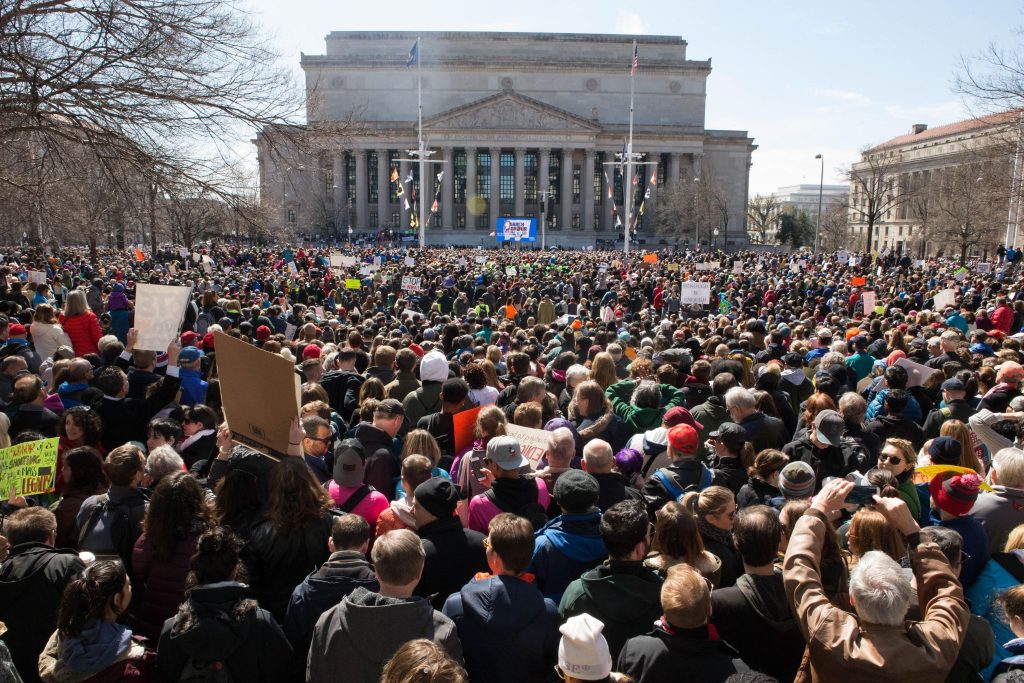
One of the most recognizable examples of youth political engagement in the United States is the movement against gun violence. After the 2018 shooting at Marjory Stoneman Douglas High School in Parkland, Florida, students transformed their grief into political action by founding the organization March for Our Lives. Rather than limiting their response to memorials, survivors organized nationwide demonstrations, met with lawmakers, and encouraged millions of young Americans to register to vote. Their efforts helped keep gun violence at the forefront of national political debate and demonstrated that students could become effective advocates despite their age. The movement illustrated how personal tragedy could inspire sustained civic participation and influence public conversations surrounding legislation and school safety.
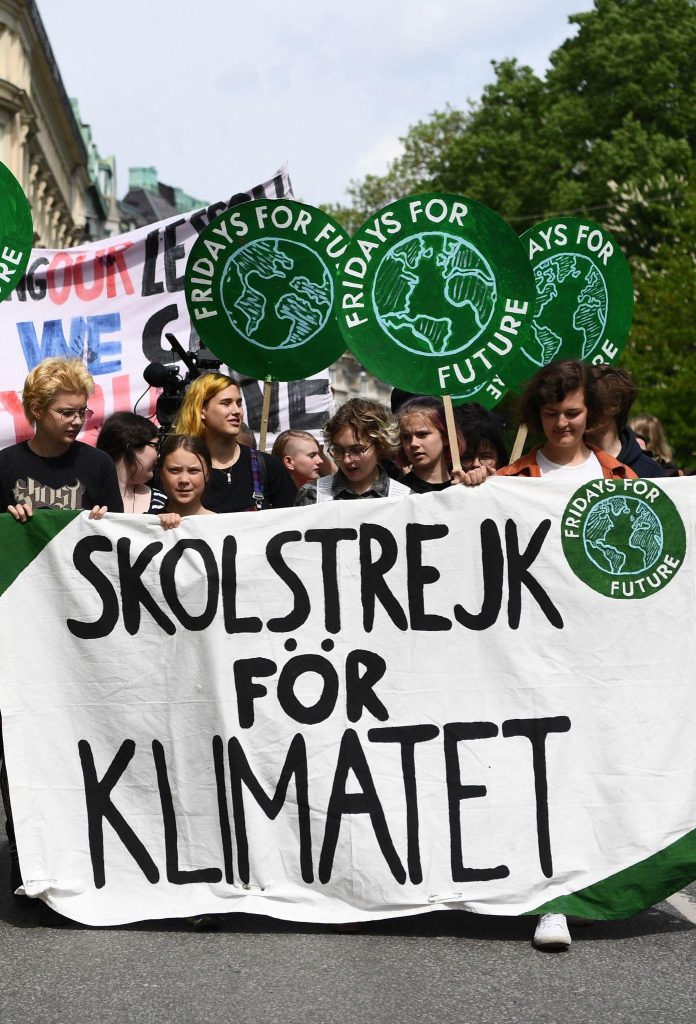
Climate change has become another defining issue for younger generations worldwide. In 2018, Swedish teenager Greta Thunberg began protesting outside Sweden’s parliament, inspiring what became the global Fridays for Future movement. Millions of students across more than 150 countries participated in climate strikes demanding stronger governmental action to address global warming. Young activists argued that because they will inherit the consequences of climate change, they deserve a meaningful voice in environmental policy-making. Their demonstrations have influenced public awareness, international climate discussions, and political campaigns around the world. Thunberg has also expanded her activism beyond climate issues. In 2025, she joined the humanitarian vessel Madleen, part of the Freedom Flotilla Coalition, in an effort to deliver food, baby formula, and medical supplies to civilians in Gaza after aid organizations warned that humanitarian assistance remained severely restricted. Although the ship was intercepted before reaching Gaza, the mission reflected a broader belief shared by many young activists: when governments fail to respond to humanitarian crises, ordinary citizens have a responsibility to act peacefully and draw international attention to those in need.
Youth activism has also reshaped conversations surrounding racial justice and equality in the United States. Following the murder of George Floyd in 2020, millions of young Americans joined demonstrations calling for police reform and racial equity. Social media allowed young organizers to coordinate peaceful protests, educate communities about systemic racism, and encourage voter participation during local and national elections. Many first-time voters cited racial justice as one of the primary reasons they became politically engaged. Rather than viewing politics as something reserved for elected officials, these young Americans embraced civic participation through community service, education, and advocacy.
Internationally, youth movements have similarly become catalysts for political change. During the Arab Spring in 2010-2012, young people used Facebook, Twitter, and other digital platforms to organize protests demanding democracy, government accountability, and economic opportunity. Although outcomes varied significantly between countries, the Arab Spring demonstrated the growing influence of digitally connected youth populations. Young citizens throughout Egypt, Libya, Syria, Bahrain, and Morocco challenged long-standing governments and showed that technology could rapidly transform localized frustrations into international political movements.
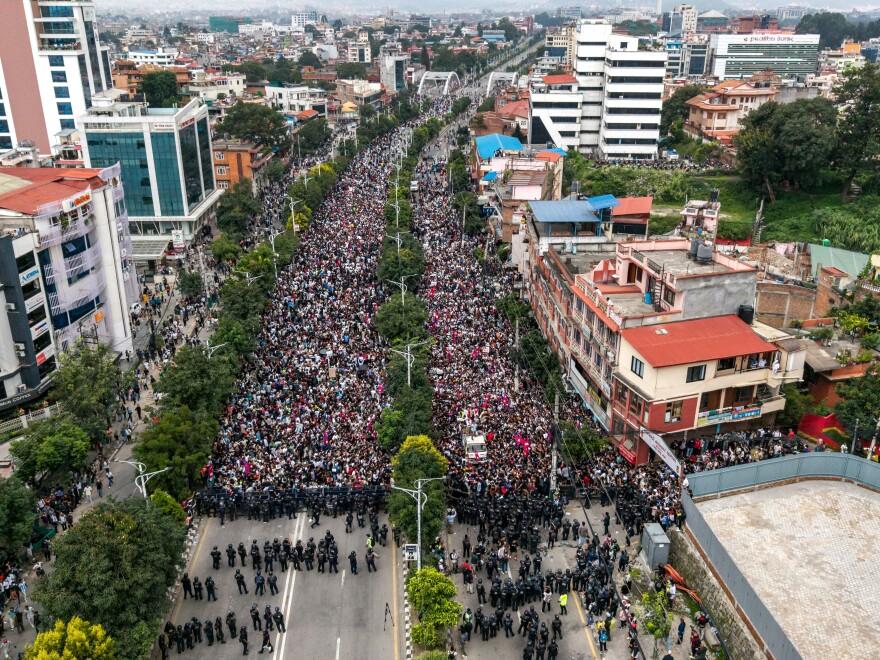
More recently, students and young adults have played central roles in political protests across Asia. Youth-led demonstrations in places such as Hong Kong, Thailand, Sri Lanka, Bangladesh, and Nepal have challenged corruption, authoritarianism, economic inequality, and limited political representation. While each movement emerged from unique national circumstances, many shared common themes: frustration with economic instability, demands for transparent government, and the belief that political systems should better reflect the interests of younger generations. These movements often relied on decentralized leadership, allowing participants to organize without depending upon a single public figure. Researchers note that this structure makes many modern youth movements both resilient and difficult for governments to suppress completely.
The rise of social media has dramatically expanded the influence of youth activism. Unlike previous generations, today’s young activists can instantly communicate across continents, exchange organizing strategies, and publicize events to millions of people. Hashtags frequently become rallying points that unite individuals who may never meet in person but share common goals. Digital platforms also allow activists to live-stream demonstrations, document government responses, and raise awareness among international audiences. While critics argue that “slacktivism” sometimes replaces meaningful action, many recent movements demonstrate that online organizing often serves as the first step toward real-world civic participation and community engagement.
One of the most remarkable examples of digital youth activism occurred in Nepal during the 2025 Gen Z protests. After years of frustration over political corruption, unemployment, and government censorship, tens of thousands of young Nepalis organized through Discord servers, Instagram, and TikTok to coordinate demonstrations and share information after the government restricted access to many social media platforms. One of the largest Discord communities, Youths Against Corruption, grew to more than 150,000 members and became a central hub for organizing protests and debating Nepal’s political future. Following the resignation of Prime Minister K. P. Sharma Oli, participants even used Discord to discuss and vote on recommendations for an interim prime minister, demonstrating how a platform originally designed for gaming had evolved into an unprecedented space for democratic participation. Although the movement faced criticism and significant challenges, it illustrated the extraordinary ability of digitally connected young people to organize on a national scale and influence the direction of their government.
Despite these successes, youth movements face considerable challenges. Young activists are often criticized as being inexperienced or overly idealistic. Many encounter political polarization, misinformation, online harassment, or even government repression. In some countries, protesters have been arrested or subjected to violence while advocating for democratic reforms. Even when demonstrations succeed in attracting public attention, translating activism into lasting policy change remains difficult. Sustaining momentum after protests end requires long-term organization, coalition building, and continued civic participation through elections and local government.
Nevertheless, evidence suggests that youth participation strengthens democratic societies. Political scientists have found that young people who engage in civic activities early in life are more likely to remain politically active as adults. Youth-led organizations also encourage volunteering, community service, voter registration, and public dialogue beyond election cycles. Rather than replacing traditional democratic institutions, many youth movements seek to improve them by increasing transparency, accountability, and public participation. Their activism reminds elected officials that policies affecting future generations deserve serious consideration today.
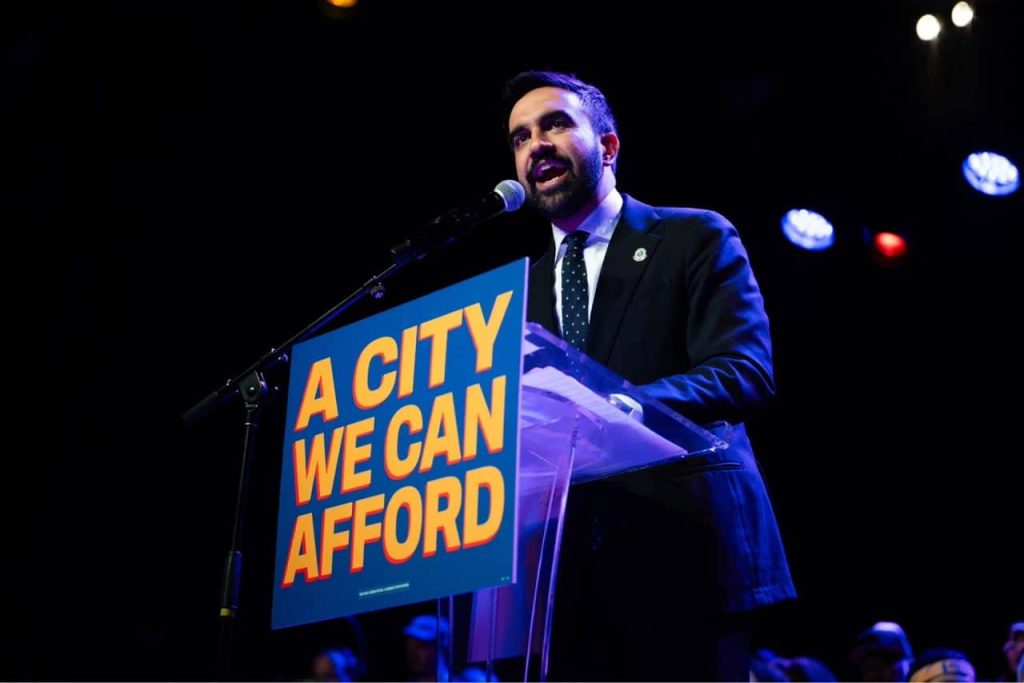
Another emerging figure who has inspired younger voters is Zohran Mamdani, a democratic socialist and the mayor of New York City. Mamdani has built much of his political support through direct engagement with younger generations, using social media and grassroots organizing to advocate for affordable housing, expanded childcare, public transit, climate action, and economic policies aimed at reducing the cost of living. His campaign demonstrated that many young voters are increasingly motivated by issues affecting their daily lives rather than traditional partisan politics. Mamdani’s rise illustrates how younger generations are seeking leaders who emphasize civic participation, community organizing, and long-term solutions to economic and social challenges.
Perhaps the greatest contribution of modern youth movements is their willingness to think beyond national borders. Climate change, economic inequality, migration, public health, and technological ethics are global challenges that cannot be solved by individual countries acting alone. Young activists frequently collaborate internationally, learning from one another’s successes and adapting strategies to local communities. This global perspective allows younger generations to frame political engagement not only as a responsibility to their own countries but also as a responsibility to humanity.
Ultimately, the growing influence of youth movements reflects more than changing political trends—it reflects hope. Around the world, young people are refusing to accept injustice, environmental degradation, corruption, and inequality as permanent realities. Instead, they are choosing participation over apathy and collaboration over indifference. Their activism illustrates that meaningful change often begins with individuals who believe that a better future is possible. By challenging governments, engaging their communities, and inspiring millions of others to participate, younger generations are proving that political engagement is not defined by age but by the determination to leave the world better than they found it.
Another amazing artical! THATS MY WIFE SHE WROTE THIS!!!!