
By Lydia Chapman
For some of Thailand’s newest residents, the most radical thing they have done is stop trying to be productive every minute of the day. They still work. They still answer emails, meet deadlines and build businesses. But their days might now include three hours in a café, an unplanned conversation or an evening spent eating at a night market with no plans to leave.
Outside, Chiang Mai is already awake.
Street vendors arrange baskets of mangoes and dragon fruit while the smell of grilled pork and sticky rice drifts down the sidewalk. Motorbikes weave between flower stalls, and somewhere in the distance a temple bell cuts through the morning traffic.
Nobody is in a hurry.
Thailand has become one of the world’s most recognizable destinations for digital creatives, but the draw goes far beyond reliable Wi-Fi or affordable apartments. Increasingly, people are choosing cities like Chiang Mai and neighborhoods across Bangkok because they offer something that feels increasingly rare: room to build a creative life that isn’t dictated entirely by productivity.
Travel has traditionally been marketed as an escape. Book the vacation, take photos and return home refreshed.
But a different story is unfolding.
Instead of treating Thailand as a temporary getaway, many creatives are building routines here. They write novels in neighborhood cafés. Meet collaborators at weekend markets. Spend evenings at independent galleries instead of networking events. Their lives become less about checking landmarks off an itinerary and more about becoming part of communities that value creativity, conversation and time.
“The goal isn’t to escape reality. It’s to build a life where creativity has room to breathe.”
A Different Kind of Workday
Chiang Mai has quietly become one of the world’s best-known hubs for remote workers and creative entrepreneurs. The city offers practical advantages, including lower living costs than in Bangkok and Pattaya and an established coworking scene, but ask people why they stay, and another answer often surfaces.
Life simply feels different.
Many mornings begin in neighborhood cafés instead of crowded commuter trains. Independent coffee shops have become informal creative studios where writers, designers, filmmakers and developers work alongside local students and business owners. The architecture of these spaces reflect the mindset—open-air, biophilic designs filled with tropical foliage, natural timber and soft breezes replace the harsh fluorescent lighting and rigid cubicles of Western corporate life. It is an environment engineered to let the nervous system settle, where lingering for house over a single cold brew is met with warmth rathen than impatience.
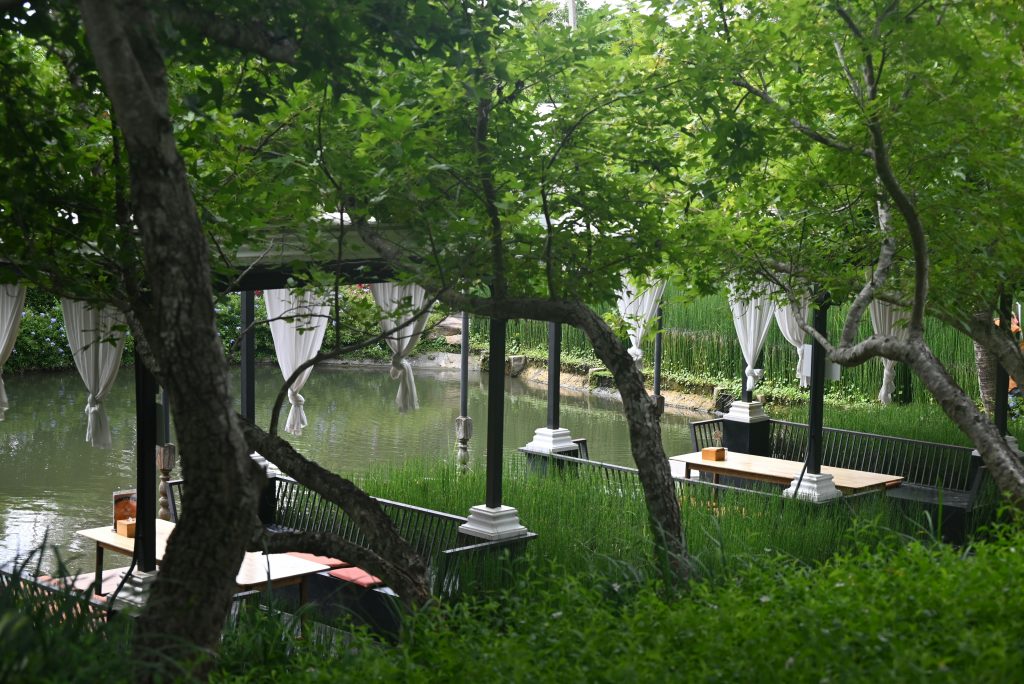
In major Western metropolises, high overhead forces artists and entrepreneurs into a state of perpetual survival mode, where every hour must be billed and every project must guarantee a immediate return. Lowering baseline living expenses in Thailand fundamentally shifts that equation. It buys back creative equity. With the burden of exorbitant rent removed, creators gain the freedom to take genuine risks—spending six months drafting a novel, developing experimental software, or pursuing passion projects without the looming pressure of immediate financial panic.
Conversations start naturally over shared tables rather than scheduled networking events. The café becomes more than somewhere to answer emails. It becomes part of a daily rhythm.
Research from travel platform Airbnb has found that longer stays continue to increase as more professionals embrace flexible work. Rather than planning trips around vacation days, many travelers now organize their lives around places where work and everyday living feel more balanced.
That shift changes the purpose of travel itself.
Instead of asking, “What should I see today?” many people are asking, “What kind of life do I want to build?”
Community Happens After Work
As the afternoon heat begins to fade, another side of Thailand comes alive. In Bangkok and Chiang Mai, neighborhood night markets become gathering places where locals and visitors mingle over grilled seafood, handmade crafts and live music.
They’re not simply places to buy dinner. They’re places to stay awhile.
The sensory atmosphere alone encourages a slower pulse. The hiss of woks over open flames, the hum of acoustic guitars, and the aroma of lemongrass and crushed peanuts fill the air as ambient lantern light softens the evening. Friends pull plastic stools together around shared wooden tables. Musicians perform while families browse vendors selling everything from vintage clothing to handmade ceramics. Local artists display prints alongside longtime food vendors whose recipes have been passed down through generations.
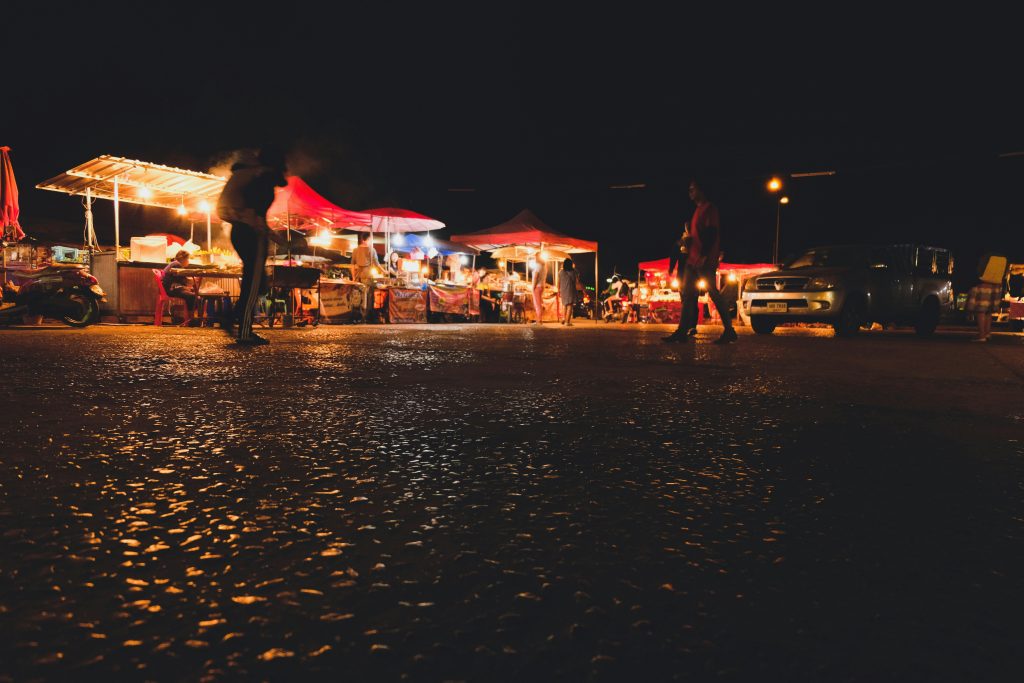
For newcomers, these spaces often become their first introduction to community.
Unlike many Western cities where social life revolves around reservations, tight calendars, and exclusive venues, the markets encourage spontaneity. People linger. Conversations stretch long after meals are finished. It isn’t unusual for strangers to leave having exchanged recommendations, ideas or even plans to meet again.
That slower rhythm can feel unfamiliar at first. It also feels refreshing.
Learning to Live More Intentionally
Part of Thailand’s appeal lies in experiences that are easy to overlook.
It’s the neighborhood coffee shop where the owner remembers your order after a week. The florist arranging fresh jasmine outside her storefront every morning. The family-run restaurant that serves the same handful of dishes because they’ve perfected them over decades.
These moments rarely appear in travel brochures, yet they often leave the strongest impression. Rather than encouraging visitors to move quickly from attraction to attraction, everyday life invites people to notice the ordinary.
For many creatives, that slower pace creates space for ideas that constant busyness rarely allows. Writers have long argued that creativity requires observation before production. That becomes easier when there is time to watch the world unfold instead of rushing through it.
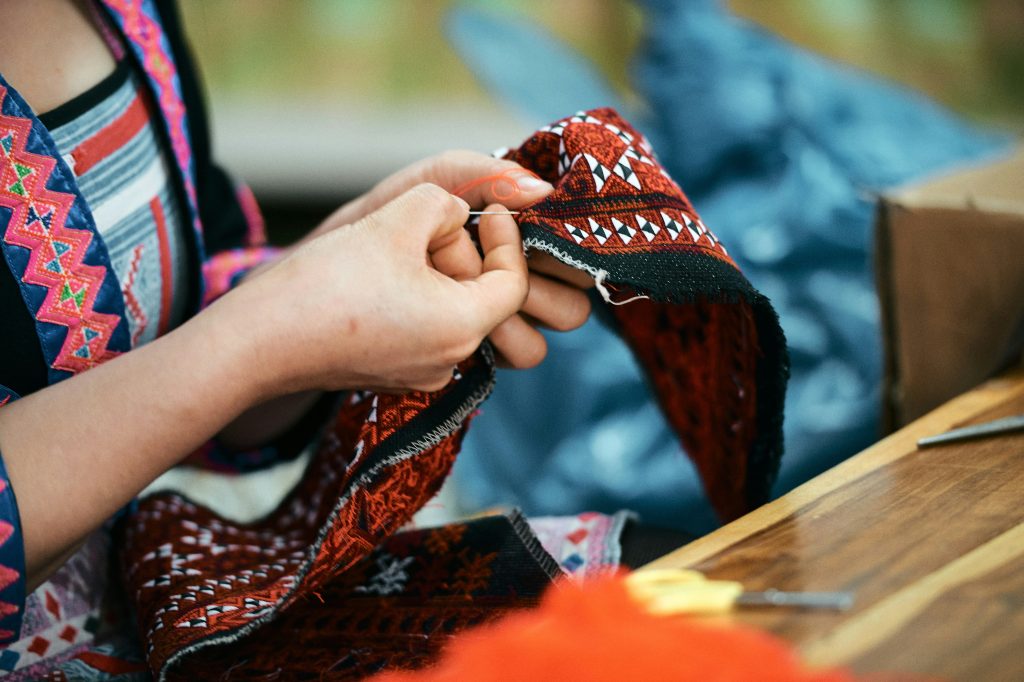
Psychologists have reached similar conclusions. Attention Restoration Theory, developed by Rachel and Stephen Kaplan, suggests that spending time in environments that gently hold our attention rather than constantly demanding it can help restore mental focus.
You don’t need to know the research to recognize the feeling. It’s what happens when you spend an hour wandering through a neighborhood without checking your phone. Or when a conversation over coffee lasts longer than expected because nobody is watching the clock.
More Than a Destination
Of course, no city is perfect. Thailand continues to face many of the same pressures affecting destinations around the world, including rising housing costs, increasing tourism and questions about sustainable growth. The communities attracting creatives today are also navigating how to preserve local identity while welcoming new residents.
That balance matters.
The most meaningful experiences come from participating respectfully in local life rather than treating neighborhoods as temporary backdrops for social media content. For thoughtful expats, this means building a truly reciprocal connection to their new environment—collaborating with local Thai designers, hosting cross-cultural creative workshops, supporting independent neighborhood businesses instead of global chains, and making a dedicated effort to learn the language.
It requires understanding that these neighborhoods are first and foremost people’s homes. The appeal isn’t simply affordability or beautiful scenery; it’s the opportunity to become an active, respectful part of a place rather than simply passing through it.
Beyond the Postcard
The postcard version of Thailand still exists. The beaches are beautiful. The temples are breathtaking. The street food deserves its reputation.
But the country’s most compelling story is happening in the spaces between those iconic images.
It unfolds in cafés where strangers become collaborators over a second cup of coffee. In neighborhood markets where meals turn into conversations. In creative communities where success isn’t measured only by productivity, but by having enough time to make meaningful work and build meaningful relationships.
For a growing number of artists, entrepreneurs and remote workers, that may be Thailand’s greatest offering.
Not an escape from everyday life. A reminder that everyday life can look different.