
Golden hour in Lisbon arrives with a distinct, magnetic warmth. Yellow trams rattle up impossibly steep hills. Laundry flutters from wrought-iron balconies. The Tagus River catches the evening light and turns it gold. From a distance, Portugal’s capital still feels like the romantic postcard travelers have been collecting for decades. But beneath this surface, Lisbon is negotiating a different reality. Over the past decade, the city has become one of Europe’s most sought-after destinations, attracting record numbers of visitors, remote workers and investors. That attention has brought economic opportunity, but it has also raised complex challenges regarding housing, affordability and neighborhood preservation. In response, local authorities have implemented strict restrictions on new short-term rental licenses in several historic neighborhoods as they attempt to balance tourism growth with the baseline needs of multi-generational communities.
Yet amid those challenges, something remarkable is happening. Artists are turning former warehouses into creative spaces. Chefs are reinventing neighborhood favorites while honoring tradition. Cultural institutions are investing in bold new ideas about what Portuguese identity looks like today. To understand Lisbon, you have to look beyond the crowded tram routes and famous viewpoints. Over 72 hours, the city’s most compelling story unfolds through the neighborhoods, artists and community spaces shaping its future while protecting what makes it unique.
“To understand Lisbon today, you have to look beyond the postcard and into the communities shaping its future.”
Day One: Mouraria and the Art of Staying Local
The best place to begin is Mouraria. Long before Lisbon became a global travel destination, this hillside neighborhood was already telling stories. Often described as the birthplace of Fado music, Mouraria has long been one of the city’s most diverse communities, where generations of residents have shared streets, markets and traditions. Walking through the neighborhood feels like moving through layers of history. Narrow alleyways wind between aging stone buildings. Murals celebrate local musicians and community leaders. Conversations drift from open windows in Portuguese, Arabic and Cape Verdean Creole, reflecting the many cultures that continue to shape the area. The effort to preserve local culture is perhaps most visible around the dinner table. On Rua das Farinhas, Tasca Baldracca represents a new generation of restaurants taking part in what food writers call the Neo-Tasca movement. Across Lisbon, young chefs are re-imagining the traditional tasca—the neighborhood tavern that has served as a gathering place for working-class residents for generations.
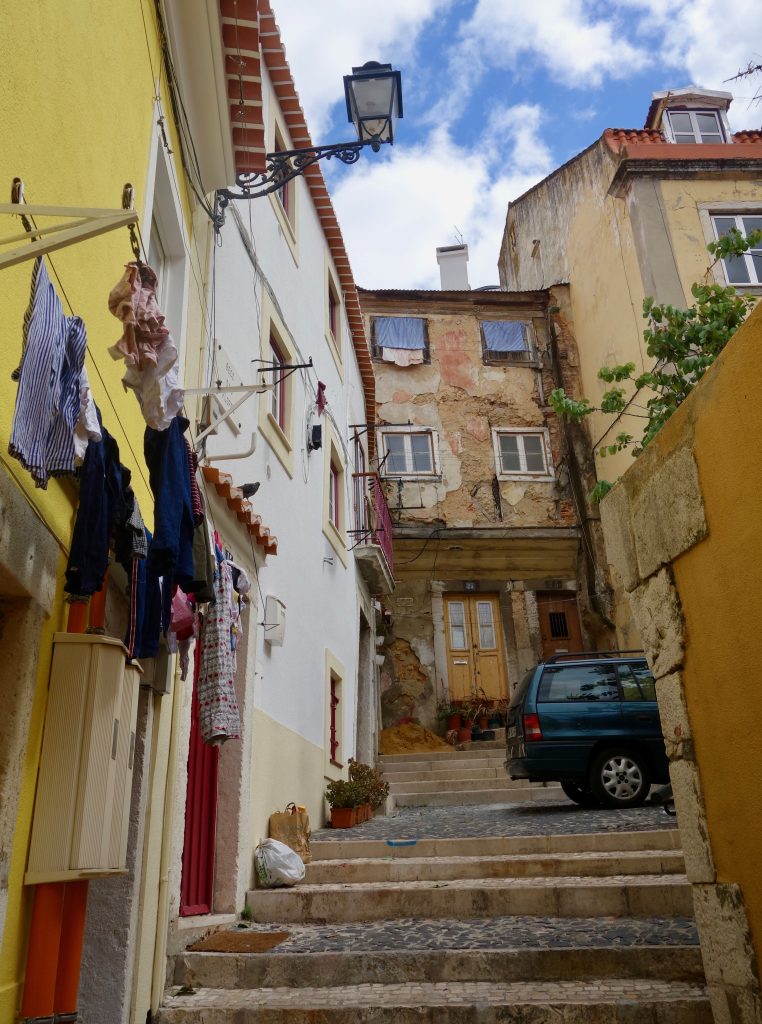
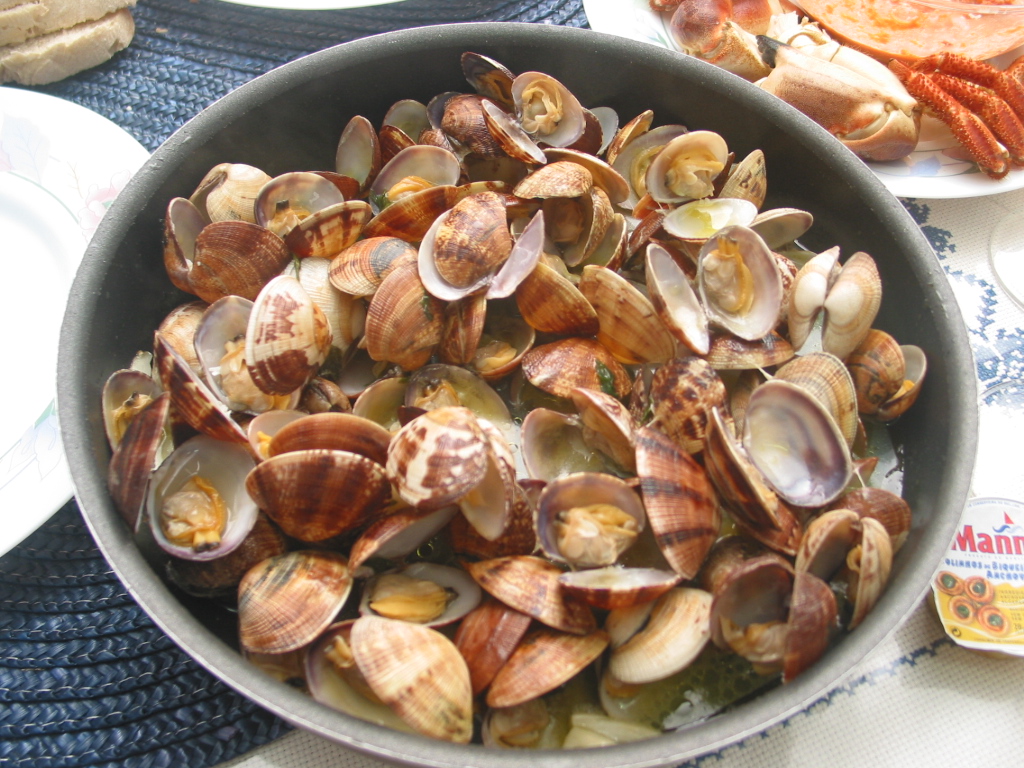
Rather than abandoning tradition, they’re building on it. Inside, mismatched chairs crowd around small tables. Handwritten menus change with the seasons. Outside, sheets of paper listing the day’s specials, known as pratos do dia, are taped directly to windows, announcing whatever arrived fresh from local markets that morning. The room buzzes with conversation as servers weave between tightly packed tables carrying plates of grilled squid, beef tartare and crispy fried chicken. Many visitors compare these small plates to Spanish tapas, but Portugal has its own tradition: petiscos. The difference matters. While tapas are often paired with drinks, petiscos are meant to stretch a meal across an entire evening. One plate arrives, then another. Conversations linger. Friends stay longer than they planned. In Lisbon, food is as much about connection as it is about eating. For a quieter experience, wander toward neighboring Alfama as evening settles over the city. Hidden among winding cobblestone lanes, Alfama Cellar offers a different side of Lisbon’s food culture. Glasses of Portuguese wine linger on wooden tables while diners share arroz de marisco, a rich seafood rice dish, or Amêijoas à Bulhão Pato, clams simmered in garlic, white wine, lemon and fresh coriander. The atmosphere feels less like dining at a destination restaurant and more like being welcomed into a neighborhood tradition. As night falls, the unmistakable sound of Fado drifts through open doorways and down narrow side streets. Songs of longing, resilience and love fill the air. The neighborhood may be changing, but its voice remains unmistakably its own.
Day Two: Graça and Lisbon’s Creative Future
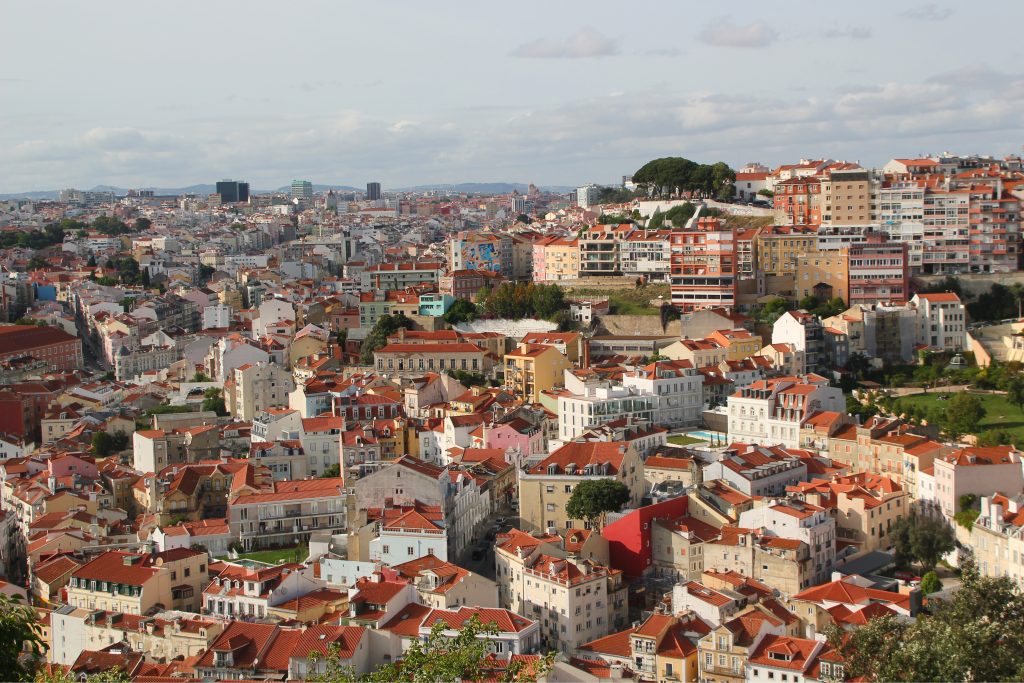
The next morning, Lisbon reveals another side of itself. Perched above the city center, Graça offers sweeping views of red rooftops stretching toward the river. While visitors often come for the famous miradouros, or viewpoints, some of the neighborhood’s most exciting cultural work happens away from the crowds. Tucked along a quiet residential street sits HANGAR, an independent center for artistic research that has become one of Lisbon’s most influential creative spaces. Founded to support artistic experimentation, HANGAR connects creative communities from Portugal, Africa, South America and Europe. Through exhibitions, artist residencies and collaborative projects, it has become a home for emerging voices and cross-cultural exchange. The atmosphere feels different from larger museums. There are no crowds rushing from one exhibit to the next. Instead, visitors encounter artists testing new ideas, works still taking shape and projects exploring themes of migration, belonging, memory and identity. Recent exhibitions have included multimedia installations such as Mafolofolo: Sonic Cartographies of Return by the South African collective MADEYOULOOK. Using sound archives and visual storytelling, the installation explores themes of history, resistance and place. Many artists working in Lisbon today are asking similar questions. How do communities preserve their stories while cities change around them? Who gets to shape the future of a neighborhood? What happens when different cultures meet and evolve together? Spaces like HANGAR don’t just display art. They create room for conversation. They remind visitors that understanding a place requires more than seeing it. It requires listening to the people imagining its future.
Day Three: Reinvention at CAM
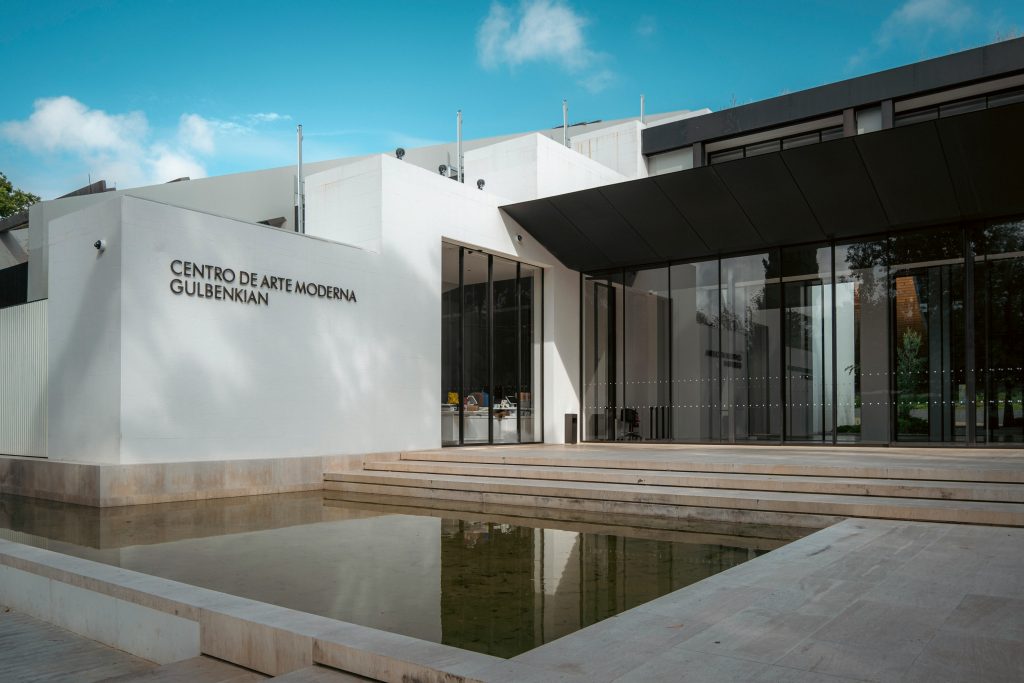
On the final day, Lisbon’s future comes fully into view. Near Praça de Espanha, the recently reopened Centro de Arte Moderna (CAM) Gulbenkian stands as one of the city’s most ambitious cultural projects. Redesigned by acclaimed Japanese architect Kengo Kuma, the building immediately draws attention. A sweeping canopy covered in traditional Portuguese ceramic tiles curves across the structure like a wave frozen in motion. The design blends architecture, landscape and public space, inviting visitors to move naturally between the galleries and surrounding gardens. Inside, the conversation continues. Visitors can explore exhibitions such as Rosa Barba’s Desenhar Vocabulários (Drawing Vocabularies), an immersive installation featuring 35mm film loops, light projections and cinematic fragments that transform the gallery into a constantly shifting environment. The work encourages visitors to think about change, memory and the relationship between people and place. Walking through CAM makes one thing clear: Lisbon’s creative energy extends far beyond independent galleries and neighborhood restaurants. Major cultural institutions are also investing in new ways of telling Portuguese stories for a modern audience. The result is a city comfortable with both tradition and reinvention. Ancient ruins stand alongside contemporary architecture. Historic neighborhoods continue to evolve. Traditional Fado performances share space with experimental art installations. Lisbon’s most interesting cultural conversations are not about choosing between past and future. They’re about finding ways to honor both.
Beyond the Postcard
As the sun sets on a final evening in Lisbon, it’s easy to understand why the city continues to captivate travelers, artists and dreamers from around the world. The famous landmarks deserve their reputation. The viewpoints are breathtaking. The trams are every bit as charming as the photographs suggest. But Lisbon’s most compelling stories unfold elsewhere. They live in neighborhood tascas where meals stretch long past sunset and petiscos become an excuse for conversation. They thrive in artist-run spaces creating room for new voices and fresh perspectives. They grow within museums willing to rethink how culture is shared and preserved. Like the tide that shapes its waterfront, Lisbon is constantly moving and adapting. The challenges that come with growth are real, but so is the determination of the people continuing to shape the city’s future on their own terms. For travelers willing to venture beyond the postcard, the reward isn’t simply discovering a hidden restaurant or gallery. It’s witnessing a city that refuses to lose itself. After 72 hours, what lingers isn’t a checklist of landmarks. It’s the people preserving neighborhood traditions, the artists reimagining identity and the communities proving that culture is something lived, not simply visited.