
The flip phone was the most feminine piece of tech to ever exist. From Paris Hilton and the iconic bright pink Motorola RAZR to the bedazzled “Style-Up” covers on the Sony Ericsson, there was a time when the clamshell phone was the ultimate fashion accessory for women.
Tiny enough to fit in the pockets of low-rise jeans, flip phones went from being the businessman’s tool in the ’90s to an “It girl” symbol of style and femininity throughout the 2000s era.

Manufacturers understood that women wanted tech that blended into their vibrant lives, and they gladly supplied that demand. The Samsung Cleo mimicked the exact shape of a blush compact, and Nokia’s L’Amour Collection arrived straight out of the box wrapped in etched floral patterns and pink petals.
For teen girls and women alike, using the flip phone was a fun, tactile experience with bumpy rhinestones, beads and swinging charms. They could pop off the shells and exchange them with friends, and when they were done talking, they could hang up with attitude and an audible snap.
Y2K was the era of optimistic futurism where tech became fashion
Phones, music players and digital cameras were props for consumers to style, swap and display.
The iPhone changed that.
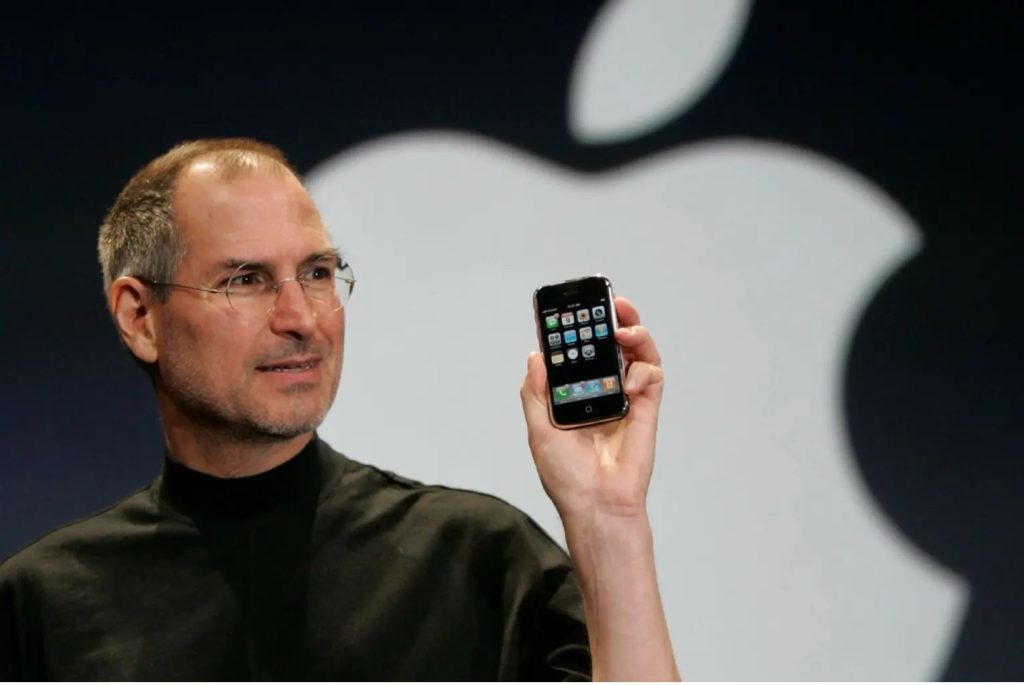
In 2006, 80% of people said they would consider buying a flip phone. Two years later, that number dropped to under 64% and would continue falling. The iPhone ushered in a new era of mobile tech that pushed aesthetics to the backseat and made functionality the primary driver.
The App Store made the iPhone capable of calling, texting, gaming, editing pics and playing music. Users no longer needed to log on to MSN on their computers to share pictures they took on their digicams. They could do it all from one device.
As time went on, the iPhone and its competitors swallowed up more functionality and more space in our lives. Banking, social media, fitness tracking and online dating all moved to a single screen. The iPhone could do everything, except look pretty.
Rhinestones and phone charms were all but eradicated and replaced with flat, rectangular boxes. No keys to clack away on, no cheetah prints and most importantly, no dramatic way to end a call.
One could argue that phone cases became the new wave of cell expression, but even those are built for protecting the smartphone’s sensitive screen and expensive body rather than to decorate.
The iPhone traded self-expression for convenience. Its all-in-one design also gave us a phone we rarely put down.
Designed for distraction
In his 2012 book Digital Dementia, neuroscientist Dr. Manfred Spitzer suggests that relying on devices for basic mental tasks starves our neural pathways, causing our brains to atrophy. Even worse, a 2017 University of Texas study revealed that just being beside a smartphone was enough to make undergraduate students perform poorly on memory tests.
Ironically, the very devices equipped with productivity tools actually hinder focus through constant interruptions. The smartphone’s all-in-one integration pushes notifications, whether you miss a day on Duolingo or miss brunch. Each notification, regardless of whether you check it, is cognitively pulling you away from completing important tasks.
Even when there are no notifications or dings, people still check. We’ve all done it before. We know that our phones can deliver dopamine, distractions or entertainment, so we pull down to refresh in hopes of seeing something new, almost like pulling the lever on a slot machine.
The dangers of digital burnout are well documented. What is often overlooked, however, is that women were 1.6 times more likely than men to carry heavy digital communication loads at both work and home.
Tech giants know smartphones are damaging and have decided to double down, but a select few brands are choosing to dumb down instead.
Stripping down the smartphone
A dumbphone is essentially a basic cell phone limited to calling and simple messaging. All across YouTube, creators are deleting apps and dimming graphics on their smartphones to strip them down to the bare bones.
This movement is gaining traction as an increasing number of Gen Z and millennials are finding ways to push back against screen addiction and digital burnout.
The “digital detox” trend that intensified during the COVID-19 pandemic has been growing stronger ever since and presents an attractive market opportunity. To tap into this new market, companies like Punkt and Mudita are specializing in building “mindful technology” devices promising to “restore balance in a world full of distractions.”
Punkt, for example, wants users to banish doomscrolling and soften the noise of modern tech, but as good as this all sounds, there are still a few problems.
Dumbphones look boring.
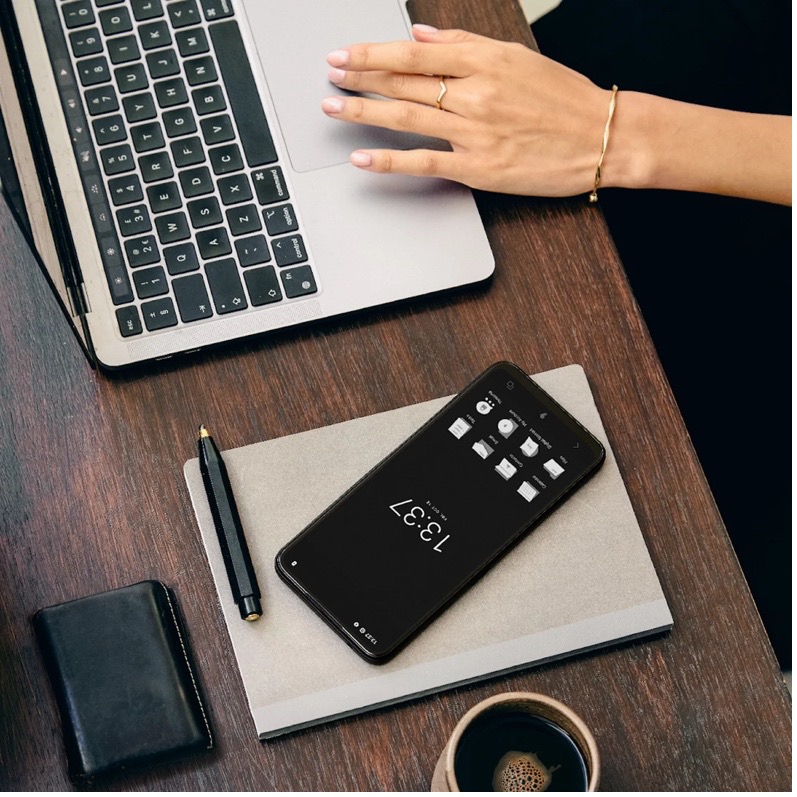
Not everything needs to be Scandinavian minimalism.
Dumbphone brands ignore the fact that many women want a more expressive relationship with their tech. When it comes to decorative tech, many women embrace customizable stickers, cases and clip-ons. The feminine urge to decorate technology never left; women now have fewer options to do so.
Punkt missed the opportunity to bring back the colorful futuristic optimism stolen by the iPhone in 2007. Instead, they designed products stripped of warmth and lacking any tactile excitement.
Surely there’s a way to blend digital minimalism with decorative maximal-ism to give women what they really want.]
Unfortunately, dumbphone companies have missed this opportunity, and big tech isn’t even trying.
In recent years, tech giants like Motorola and Samsung revived the flip phone with their Razr Ultra and Galaxy Z Flip6 models, but these modern twists on old classics overlooked an important concern.
Engineering a flip phone with full smartphone capabilities ignores the growing number of young women actively fighting screen addiction. Having a hinge phone that’s reminiscent of the early 2000s but still includes all the pings, addictive graphics, and notifications of the smartphone is just a way to sell nostalgia rather than solve any social concern.
So, on one hand, dumbphone companies are solving digital burnout but ignoring design, while tech giants are redesigning old classics but adding room for addiction.
Instead of waiting for companies to give women what they want, many are taking matters into their own hands and going straight to the source.
The secondhand solution
eBay and other secondhand marketplaces continue to see surges in sales for Y2K-era flip phones. Nearly two decades later, thousands of Motorola Razr V3s still sell on eBay for an average of $50. That’s a much friendlier number than the $500 price tags on the Flip6 and preowned Motorola Razr Ultra.
The secondhand demand suggests many shoppers would rather have older hardware with personality than newer options without it.
There was a time when tech was built to enhance the lives of users while fitting perfectly into their personal aesthetics. Over the past few decades, many companies have shifted toward devices that keep us connected around the clock, and personal style has been left behind.
Even companies that create intentional tech produce items that are bland and fail to speak women’s creative language.
A glimpse of joyful tech
One company stands out from the rest and shows some true promise. Although the phones are still on preorder, the Light Flip Phone is the only device that checks all the important boxes for women. The color options are bright, the phones are Y2K-coded, and the price sits at a reasonable $299.
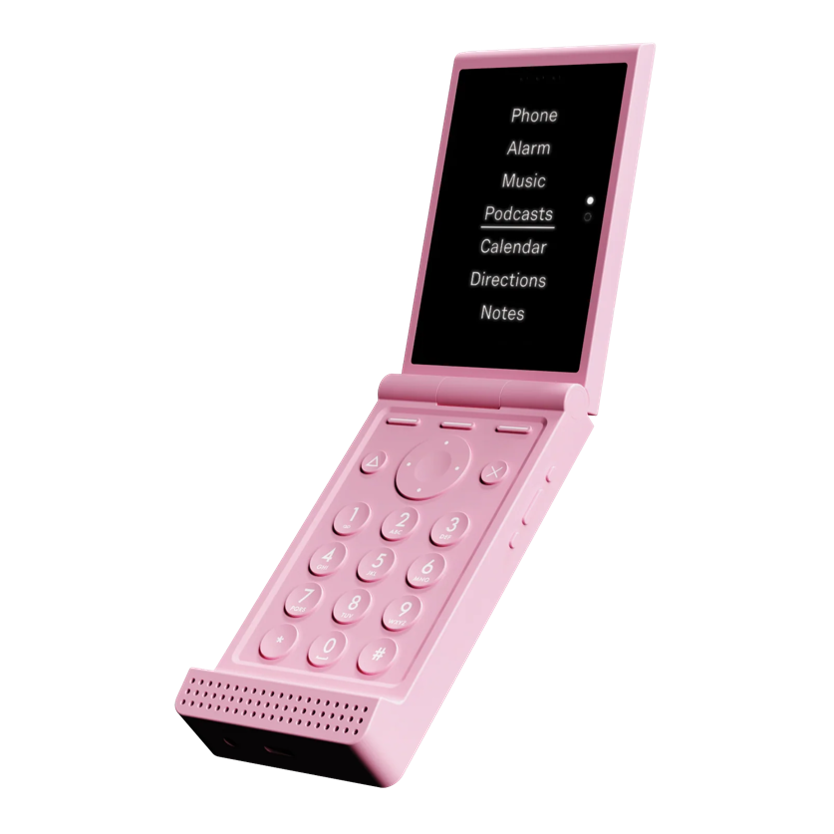
Of course, it is still much cheaper to score a refurbished Motorola Razr V3 off eBay, but at least one company is listening to what women want.
Tech executives need to recognize that functional hardware does not require aesthetic sacrifice. Digital minimalism can coexist alongside expressive maximalism.
Until hardware designers learn to embrace femininity and playful design, women will keep looking to the past to power their future.
1 comment