

“Slow travel”, one of those internet buzz words with a hazy definition, more of a vibe really. You know it when you see it, a long picturesque train ride, a serene secluded stroll, or connecting with charming locals.
The best approximation of a definition is a mindset around travel, embracing the journey. Making traveling to a destination part of the vacation rather than an unpleasant interlude. The idea of travelling with the intention of savoring the journey has only recently reached the U.S, suggesting that an interest in slow travel may signal a cultural shift in America away from advancements and modernity.
Google trends over the past 5 years shows interest in the search term “slow travel” peaking in April of 2026 in the U.S. When looking at European countries like Sweden searches peaked earlier in late 2025. The European flavor of slow travel seems to be more focused on environmentalism, in 2018 the Swedish term flygskam translated to flight shame in English was coined. Referring to both the feeling of shame a passenger may feel while aboard a flight, and the social movement encouraging people to cut back on their flights. A year later Swedish environmental activist Greta Thunberg opted to sail to New York rather than fly. Sailing isn’t an option for most people, but Thunberg showcased another option. Flying isn’t the only way to travel, it may, in fact, be falling out of fashion.

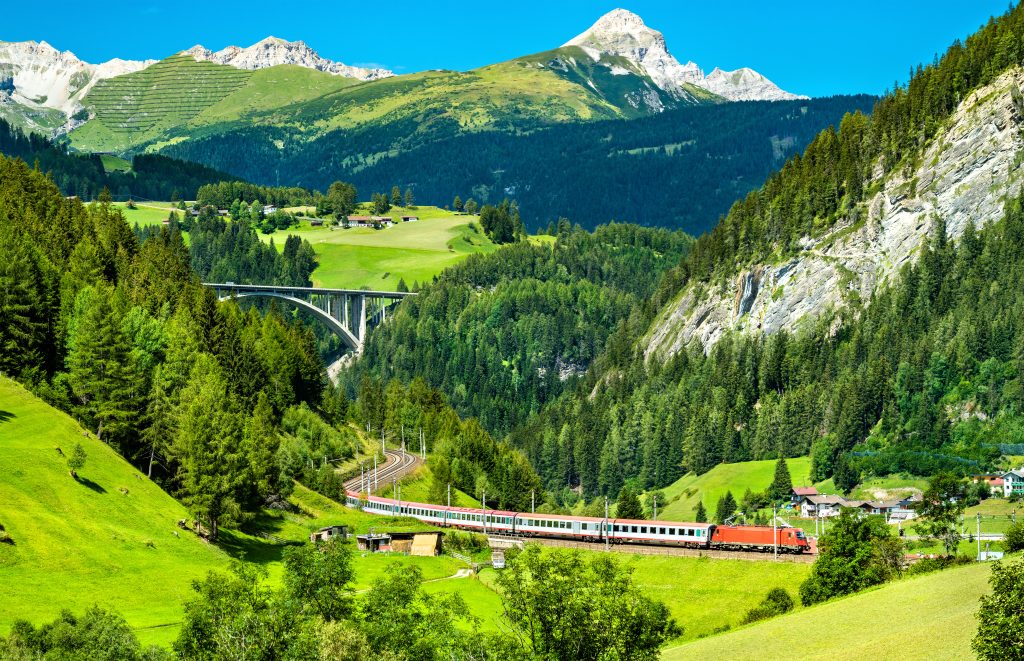
For those without access to a boat, trains are the best option, especially for domestic travel. There is something archaic about a sleeper train, reminiscent of an Agatha Christie novel. Alongside their environmental advantages trains may also be more pleasant for a traveler. Anyone who’s flown economy recently will report how cramped airplane cabins are beginning to feel. Beyond the discomfort there is a feeling of airlines trying to squeeze every last penny out of a customer. Charging extra for checked luggages, meals, WiFi, and seat selection. Trains haven’t suffered the same fate; they might be slower, but that’s part of the charm.
Slow travel companies like the U.K based Byway lead with sustainability as a major selling point. Cat Jones founded Byway in 2020 after enjoying her own flight free travels,. Although Jones always returned from her trips with many positive experiences to share with friends and family she noticed that others were intimidated by the research required to travel flight free.
Byway’s mission statement is “Make slow travel mainstream” they offer flight free tours and travel, and opt for locally owned accommodations when possible. Byway received two Government Innovate UK Smart Grants which they used to fund their “Journey AI” which is meant to make planning a flight-free trip easier. Their 2026 impact report claims that they have saved 1.7k tonnes of CO₂ emissions, and Jones reports that mainstream travellers who used to fly try Byway’s method and usually return.
In a blog post explaining the art of slow travel Byway encourages their customers to embrace the journey by following their curiosities, consider community, tune into nature and welcome the unexpected. Based on their website, their tours are mostly train based. They started offering U.K only tours but have since expanded into mainland Europe helping travelers arrange journeys travelling through France, Italy, Turkey, Greece and more.
FlashPack is another travel company who offers slow travel tours to its customers. Like with Byway, customers book their own flights and FlashPack will arrange a path for them to take with accommodations on their journey through their destination. FlashPack offers tour guides who accompany travellers on their journeys, and they cater to the age range of 30+ solo travellers.
Byway and FlashPack are just two of the companies who follow this overall trend of travelling with intention to connect rather than to simply see new sights. The other attraction to slow travel, or group tours is the affordability. Many Americans are opting to fly less not just because they care about the environmental impacts but because flying overseas is less affordable than a bus or train journey within the country.
According to a survey done by Cheap Caribbean published in April of 2026 44% of Americans are skipping high-end and fine-dining restaurants, and 40% are bypassing luxury hotels or resorts. While on the surface these seem like choices solely made based on financial advantages they also align with the slow travel philosophy. Choosing a local eatery over the popular restaurant that most tourists frequent for example. Or choosing to travel to a smaller less well known area rather than the flashy capital city of your destination.
Alongside bypassing tourist traps 72% of American travellers are willing to be flexible with dates when planning their vacations. Flexibility and spontaneity go hand in hand so taking an impromptu trip seems like a good choice for a slow traveller.


66% of the responders said that the best parts of their trip were free, suggesting that they found meaning in the act of travelling, in the journey itself. Doesn’t that sound familiar? The most common answers for the best part of the responder’s vacation were spending time with loved ones, and spending time in nature such as taking a walk along the beach.
Nature is another area where budget travelling and slow travel intersect. Americans in particular have access to many national parks across the country, which are often popular road trip destinations.
At the end of their study researchers concluded that, for American travellers in 2026 value is defined by getting the most meaningful experience possible for the money that is spent. Keeping this definition of value in mind, it makes sense for Americans to be adopting the philosophy which has helped European travellers make the most of their journeys.


