

Social media has come a long way in providing a plethora of engaging platforms, news, and awareness to people within reach of a screen. The double-edged sword of exposure has its ups and downs for society. On the upside, more people are connecting with others in meaningful ways, becoming familiar with different perspectives, and educating themselves with material that is more commonly accessible now than it was in the past. On the downside, some fall into the rabbit hole of misinformation, while also blindly shielding themselves from anything that doesn’t align with their beliefs. That divide grows stronger with the increasing issues life and people have to offer, from decades-long battles of climate change, racist injustice, abuse of power, and bigotry to the rise of wealth inequality, among others.

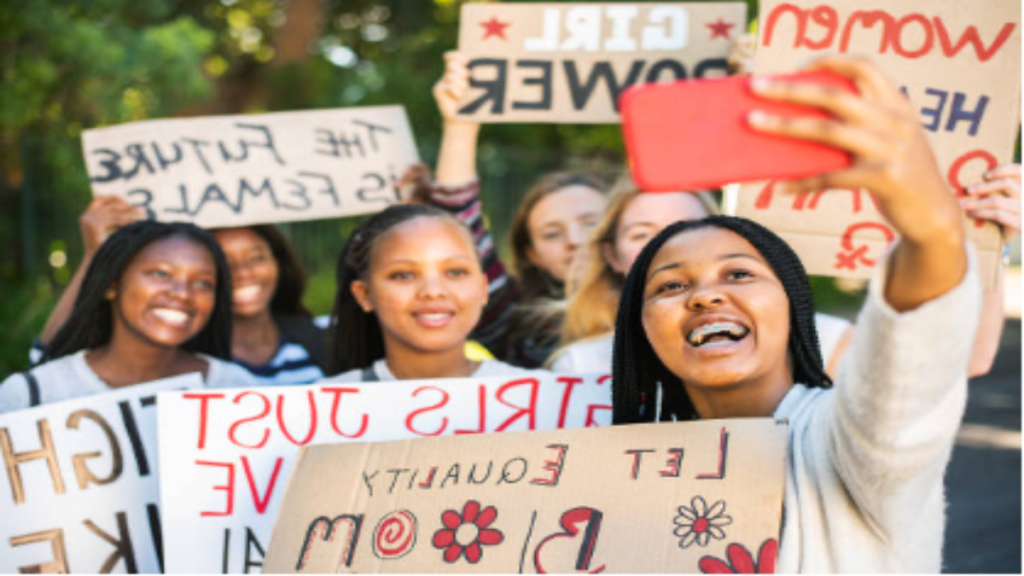
Today, protests are on the rise because people’s everyday struggles are becoming more apparent. These issues are nothing new, but now, with the rapid development of social media platforms and the proliferation of cameras to cast a spotlight on injustice, your chances of at least hearing about these struggles are at an all-time high. When there’s a message that you want to broadcast to the world, which medium are you most likely to turn to? Most would answer with social media because it has become a highly impactful tool for surveillance, capturing people’s attention, and fostering connections. Billions of people use social media globally, and numerous movements worldwide disseminate their messages daily.
TikTok, Instagram, Facebook, and X have been staples in broadcasting the ins and outs of protests. For instance, the Black Lives Matter and MeToo movements delivered in spreading people’s hardships and untold experiences, which empower others to speak out as well. Just recently, the No Kings protests demonstrated unimaginable numbers of people in the streets, along with others cheering for them online. Diverse, innovative signs combined with several eye-opening messages relaying the powerful narrative of “No to Kings of any kind” emboldened a spark of hope that appeared to be on the edge of despair for so long.

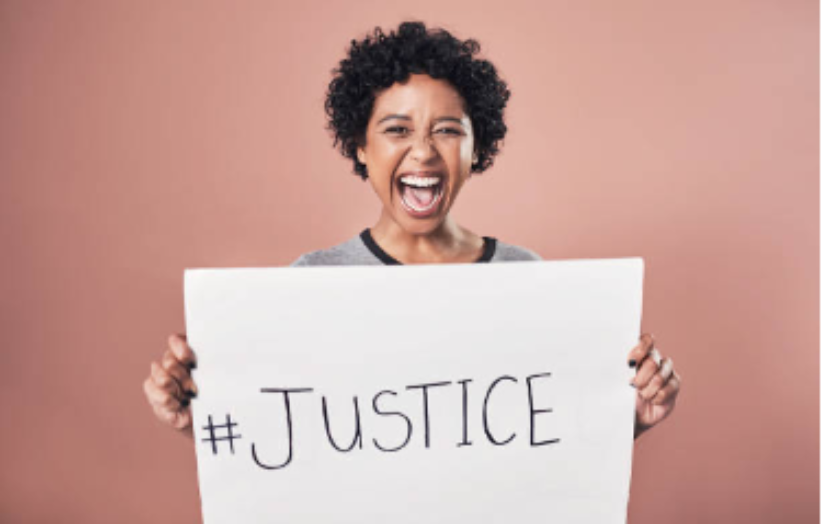
The newest trend in protesting involves people wearing inflatable animal costumes to send the message that their goal at the end of the day is peace, and these protests feature a signature set of blow-up costumes flaunting their sincere presentation of the cause. Possibly no one had an individual frog outfit protesting their country’s freedom in the year 2025, but that’s life—an array of unpredictability with history that rhymes, and now hundreds of videos documenting every moment. Protests are not only meant to demonstrate a demand for change in the right direction, but also to show the solidarity people have with each other during the darkest of times. Furthermore, people are more motivated to make things change for the better when they witness the problem. The power lies in the hands of the people, and some of those hands are documenting that universal power, often underestimated and overlooked.


