

Before the interview. Before the campaign rollout. Before the celebrity even says a word, the image has already spoken.
That is the power of styling in today’s culture.
Fashion is no longer just about clothing. It has become branding, communication, and perception management all at once. In an era dominated by Instagram, red carpets, editorials, and digital campaigns, stylists and creative directors have become some of the most influential people behind the scenes in entertainment and media.
They are not simply dressing celebrities anymore. They are helping construct identity. And the strongest creatives understand that every visual choice carries intention.
For creatives like Matthew Henson, styling has always felt rooted in world building rather than trends alone. Through his longtime work with A$AP Rocky, Henson helped shape one of the most recognizable male fashion identities in modern music.
Rocky never looked styled in a traditional celebrity sense. He looked intentional. Controlled. Editorial.
That distinction matters.

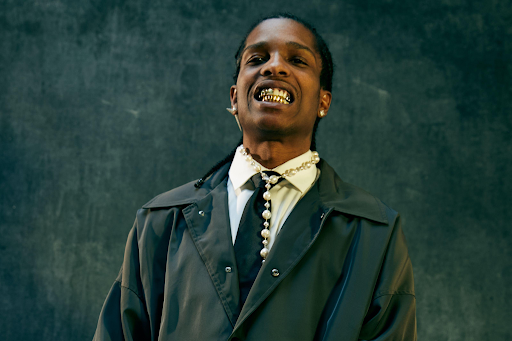
During Rocky’s rise through fashion spaces like Dior Homme campaigns, Raf Simons Calvin Klein moments, and Paris Fashion Week appearances, Henson’s approach consistently blended luxury fashion with downtown individuality. Instead of making Rocky appear overly polished, the styling leaned into authenticity and experimentation. Oversized silhouettes, layered textures, designer archive pieces, and unconventional accessories all helped create the image of someone who felt culturally ahead rather than commercially safe.
The strategy behind that image was subtle but powerful.
Rocky was never presented as just a rapper wearing expensive clothes. He was positioned as a creative taste-maker moving fluidly between music, fashion, and art. That image elevated him beyond entertainment into cultural influence.
And in today’s industry, influence often matters just as much as talent itself.
That same understanding of identity building appears in the work of Wayman Bannerman and his creative partner Micah McDonald. Together, the duo known as Wayman and Micah have become known for styling stars like Colman Domingo, Taraji P. Henson, and Lizzo.
What makes their work stand out is how character driven it feels. Their styling does not erase personality. It amplifies it.
For example, Colman Domingo’s recent red carpet evolution has become one of the clearest examples of intentional masculine elegance in Hollywood. Rich tailoring, dramatic overcoats, layered jewelry, and refined silhouettes have helped position him as both classic and modern simultaneously.

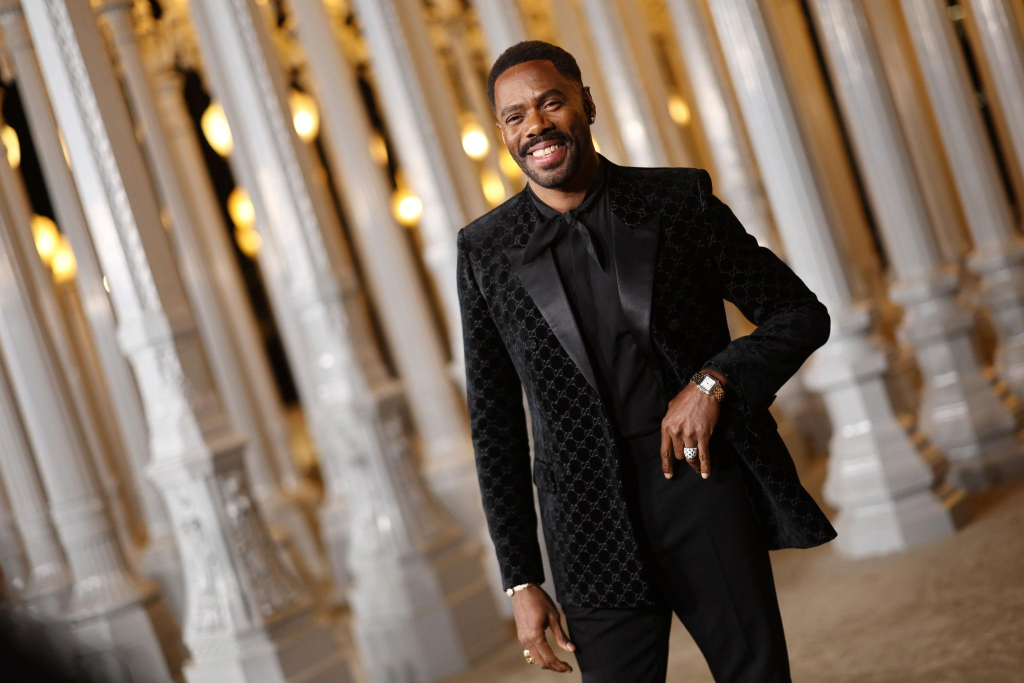
That image building feels strategic.
Rather than forcing Domingo into traditional Hollywood menswear, Wayman and Micah lean into confidence, individuality, and cultural sophistication. The goal is not simply to make him look fashionable. The goal is to make him feel unforgettable.
That is where styling becomes psychological.
The strongest stylists understand that fashion shapes emotional perception. Audiences may not consciously remember every garment, but they remember how someone made them feel visually.
Powerful. Elegant. Untouchable. Relatable. Experimental. Those impressions become part of celebrity identity over time.
Creatives like Briana Andalore approach image from a different but equally intentional perspective. Through her work with Julia Fox, Andalore helped build one of the most talked about celebrity visual identities online.
Julia Fox’s looks rarely feel accidental.
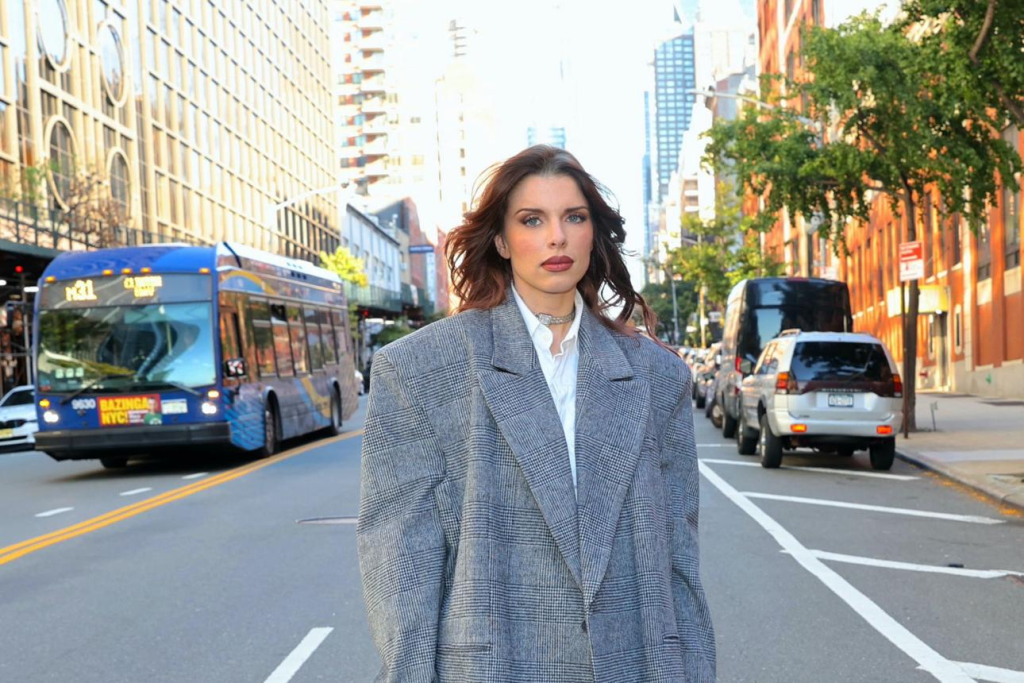
Whether walking through New York City in exaggerated silhouettes or appearing at events in chaotic glam inspired styling, the visuals consistently create conversation. That appears to be part of the strategy itself.
The styling embraces unpredictability.
Instead of aiming for traditional beauty standards or safe luxury presentation, the image feels rebellious, downtown, and slightly disruptive. In a social media era where audiences scroll endlessly through polished content, that unpredictability becomes memorable.
And memorability is currency.
Briana Andalore’s styling work reflects a broader shift happening within culture right now. Audiences increasingly gravitate toward personalities who feel visually distinct rather than universally appealing. People want identity. They want perspective. They want something recognizable immediately.
That is why creative direction matters so much today.
A strong image creates familiarity before conversation even begins.
The same idea appears in the work of Haus of Reality, whose visuals reflect the growing influence of independent digital creatives shaping culture online. Unlike traditional celebrity
stylists working primarily through Hollywood systems, many newer creatives are building influence directly through social platforms.
That changes the relationship between creator and audience.
The visuals become immediate and continuous. Every post contributes to identity building. Lighting choices, posing, editing, styling, environments, and captions all work together to create a recognizable visual language.
What stands out about Haus of Reality’s work is the consistency in atmosphere. The visuals feel immersive rather than random. There is a noticeable understanding of mood, presentation, and identity throughout the imagery.
That consistency reflects one of the biggest realities of modern branding. People no longer just follow individuals. They follow worlds.
The strongest creatives understand how to build those worlds visually. And social media has made that skill more valuable than ever before.
In previous eras, image building was controlled almost entirely through magazines, television appearances, and major campaigns. Today, celebrities and creatives are visible every day.
Audiences consume imagery constantly, which means stylists and creative directors now help shape perception at all times rather than only during major public moments.
That level of visibility has elevated styling into something far bigger than fashion alone.
It now influences brand deals, cultural relevance, partnerships, audience loyalty, and long term career positioning.
A carefully constructed visual identity can create entire business opportunities. That is part of why modern stylists are becoming brands themselves.
Many audiences now recognize the names behind the looks almost as much as the celebrities wearing them. People study who styles whom. They follow creative directors on Instagram. They analyze editorial shoots, campaign visuals, and runway appearances the same way previous generations followed tabloids or entertainment television.
The creative architect behind the image has become part of the story itself.
And in many ways, that shift reflects where culture overall is heading.
Modern influence is no longer built through visibility alone. It is built through intentionality.
The strongest stylists and creative directors understand how to shape not just appearance, but perception. They create emotional associations through visuals. They build consistency. They create aspiration. They help transform public figures into fully realized cultural identities.
Because today, image is not secondary to success.
For many celebrities and creators, image is the strategy itself.


