
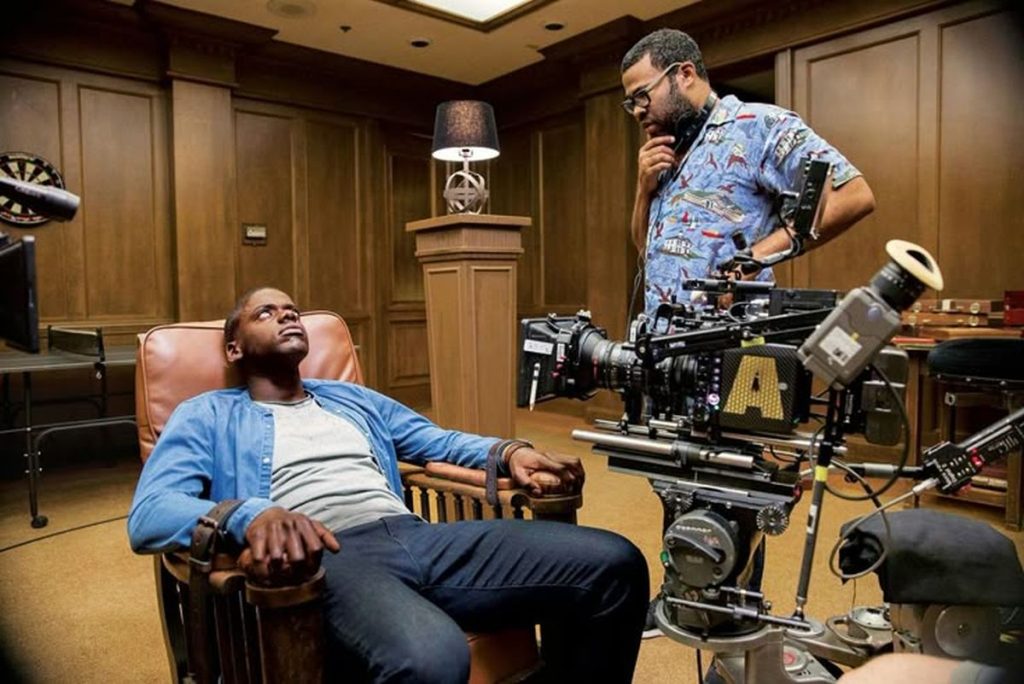
It’s curious to see stars make their claim to fame in front of the screen, getting flowers for their talents, getting the break so many aspiring actors dream of— and stop to stand behind the camera. It may seem backwards, but for some actors-turned-directors, following their true passions matter a whole lot more than being the all-star lead. We’ve seen the successful transition a few times, but it’s Rob Reiner turning sitcom success into one of the most versatile directing careers in Hollywood, Jordan Peele reinventing horror after years in sketch comedy, or Clint Eastwood transforming from Western icon into an Oscar-winning filmmaker, these directors prove that acting was just the start of an even bigger story.
After actor and director Rob Reiner’s death, I wanted to take some time to know what he was up to honor him in my own way, only having known him from a small TV role in one of my favorite shows, New Girl, as the main character Jess’ dad. I found out he’s the name behind some of my favorite movies, The Princess Bride (1987), Misery (1990), and When Harry Met Sally (1989), to name a few. It’s amazing to see how someone can have such a burning passion for something, be exemplary at it, but it all started because of a TV role on 70s sitcom All In The Family. While the show gave him two Emmy’s and television fame— it also gave him connections to some of the most legendary producers in Hollywood. He had directorial dreams of making a crazy mockumentary style movie about a rock band, and Norman Lear, the creator of All in the Family, was just the producer he needed. This gave us This Is Spinal Tap (1984), Reiner’s directorial debut and a killer movie overall.
People still had their hindrances about some actor from some sitcom running around making movies, until he kept proving himself time and time again with hit after hit. People still kept their reservations, especially with genre. While filming Misery, Reiner was taken to the adaptation of the Stephen King novel essentially out of spite. Still a relatively new filmmaker, no one trusted him enough to make a thriller movie, when his wheelhouse was much more dramatic and grounded with pretty happy endings and love stories. He did it anyways, somewhat out of spite, and created one of the best Stephen King adaptations to date, as well as a great thriller movie that gave Kathy Bates her Best Actress award under Reiner’s direction. He can switch from the fairytale love stories in The Princess Bride to Annie breaking Paul’s ankles in Misery, all because he knows how to make a good movie and tell a good story. His passing is a tragic one, but when it comes to his directorial talent, we have to thank his acting roles for opening such an important door.
You’d think comedic actors would make comedic movies, and dramatic actors would still to their tragedies, but greatness comes out when actors-turned-directors break out of their typecast mold. Whatever it is, it works. There’s just something about seeing the serious side of a comedian that switches something in your brain. For me, it’s times like seeing Steve Carell in Beautiful Boy where it feels even more heart wrenching that the man who plays Michael Scott in The Office, is actively consoling his depressed addict son. It’s similar for comedians behind the camera, having a semblance of their comedy shining through not in just the humor of their films, but the other aspects that surround it. An expert in the field is the one and only Jordan Peele, yes, that Peele. Jordan Peele has a massive comedy background, working on MadTV for years, perfecting his improv comedy and writing and is half of iconic comedy sketch show Key and Peele. The same way Reiner used his role on All in the Family to form connections, the experience of having to essentially run the show with Keegan-Michael Key set Peele up with the tools he’d use as a director. With his swift turn to Get Out (2017), his directorial debut, he not only used his technical skills he learned, but comedy and horror use so many of the same elements, he created a masterpiece in horror, especially horror with a racial identity. He can use the same importance of timing, suspense, character-driven scenarios, etc. because he perfected it in his work doing comedy. The subject is covered in Audrey Miller’s article Humor and Horror: An Unlikely Duo! In the TV world, you can see the blend of using comedy backgrounds with Bill Hader’s Barry, which he stars in, directs, produces, and writes— but the Saturday Night Live alum made anything but ‘just a comedy’. Barry is a gritty comedic drama about a hitman who’s becoming an actor, an absurdist plot that makes sense for Hader, but is extremely emotional and grounded. You can easily see how having to write for SNL while also starring in sketches leant Hader to the excellent writing in Barry.
Clint Eastwood may be one of the biggest movie stars in Hollywood history, but directing is arguably where he cemented his legacy. Long before he was winning Academy Awards for Unforgiven (1992) and Million Dollar Baby (2004), Eastwood spent decades in front of the camera playing the stoic cowboy and tough-as-nails detective that made him famous. Those years weren’t just building a résumé—they were an education. Working under directors like Sergio Leone and Don Siegel gave Eastwood a front-row seat to vastly different film making styles, and when he finally stepped behind the camera, he took the best lessons from both. His films are known for their quiet confidence, restrained performances, and efficient film making, qualities that come from someone who understands exactly what actors need because he spent years being one himself. Unlike many stars who direct only occasionally, Eastwood became one of Hollywood’s most consistent filmmakers, proving that his greatest performance may have been learning when to step out of the frame altogether.
While it may not be as rewarding, actors turned directors put their eyes and hearts towards creating something of their own and turning the tables on traditional Hollywood success. These people didn’t just use acting as a steppingstone, and it might have been the aspired end-goal for some, but they used the elements, connections, and passion for their art to transform their careers. Reiner understood how to build characters audiences cared about before asking them to believe in fairy tales or psychological horror. Peele used the precision of sketch comedy to master suspense and social commentary. Eastwood spent decades learning from some of cinema’s greatest filmmakers before quietly becoming one himself. What mattered most was telling a story, and if they needed to get behind the camera to tell it, they sure did.


