

For much of modern history, healthcare has focused on diagnosing illness and treating symptoms after they appear. While modern medical advancements have saved countless lives and continue to play a vital role in public health, some people are beginning to question whether treatment alone is enough to achieve lasting wellness. As rates of stress, anxiety, burnout, and chronic health conditions continue to rise, many are looking beyond conventional medicine and exploring preventative approaches rooted in ancestral traditions. These practices often emphasize balance, community, and long-term well-being rather than intervention after illness occurs. As interest in holistic health grows, so does a broader conversation about what modern healthcare can learn from healing traditions that have been passed down for generations.


The World Health Organization defines traditional medicine as the skills, knowledge and practices that predate modern biomedicine. According to the WHO, 170 out of 194 member states report using forms of traditional medicine, including herbal remedies, acupuncture, yoga, and indigenous healing therapies. While these approaches vary widely across cultures, they share a common emphasis on prevention, balance, community, and environment. Often referred to as ancestral wisdom, these traditions are rooted in generations of observation, experience, and deep knowledge of local environments. For many, their appeal lies not only in the practices themselves, but also in the sense of agency, connection and continuity they provide in an increasingly modern world.
One reason people may be turning their eyes to the past is thanks to the remarkable research of Chinese scientist Tu Youyou, whose research into Chinese traditional medicine led her to sweet wormwood, a plant normally used to treat fever. By isolating and extracting artemisinin from the plant, she was able to create what is now the first and second line of defense in the fight against malaria. She saved millions of lives by looking to ancestral roots. By combining modern scientific methods with traditional knowledge, Tu’s work demonstrated that ancestral wisdom could remain relevant in addressing modern health challenges. While few traditional practices will lead to discoveries as dramatic as artemisinin, her research has encouraged scientists and health professionals to take a closer look at other forms of ancestral knowledge. Today, researchers are increasingly studying practices such as forest bathing, meditation, traditional movement therapies, and community-centered rituals to better understand their potential role in reducing stress, preventing burnout, and supporting overall well-being.

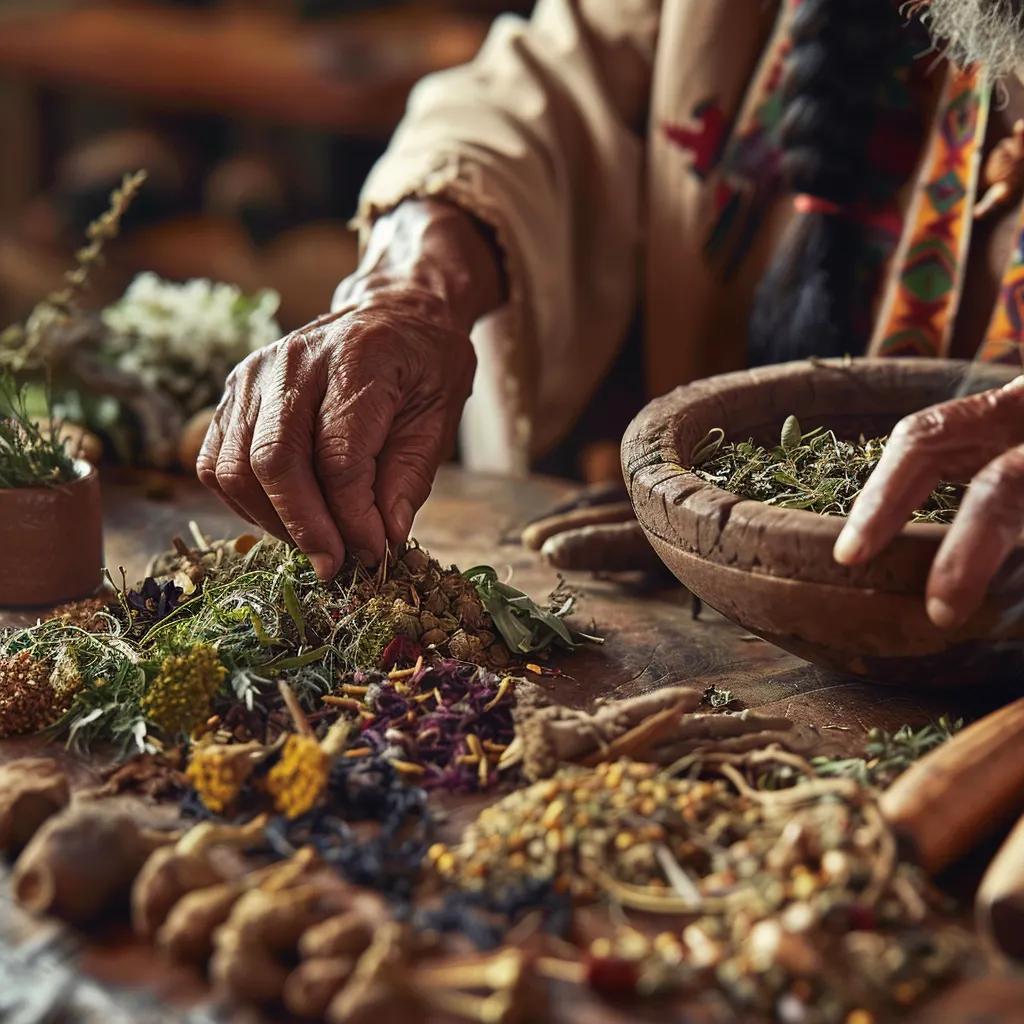
Traditional herbal knowledge also continues to play an important role in many communities around the world. Long before pharmaceuticals became widely available, people relied upon plants to address common ailments and support overall wellness. Different cultures developed extensive knowledge regarding the medicinal properties of local plants, often passing this information from one generation to the next through oral traditions. Today, interest in herbal medicine has expanded significantly. Consumers can find herbal products in grocery stores, health food shops, and online marketplaces. However, experts caution that traditional remedies should not automatically be assumed safe or effective simply because they are natural. Instead, many advocates emphasize the importance of combining traditional knowledge with modern scientific understanding and consulting qualified healthcare professionals when making health decisions.
For Indigenous communities, ancestral wisdom often extends beyond individual health practices and encompasses broader relationships between people, culture, and the environment. Traditional Ecological Knowledge, sometimes referred to as TEK, reflects generations of observation and understanding regarding local ecosystems, seasonal patterns, and sustainable living practices. This knowledge is deeply connected to cultural identity and community well-being. Researchers studying Indigenous health have noted that cultural continuity can contribute positively to community resilience and wellness (Redvers et al.). Practices such as storytelling, ceremony, language preservation, and traditional food gathering are often viewed not only as cultural activities but also as important components of holistic health. In this context, healing involves maintaining relationships with family, community, ancestors, and the natural world.
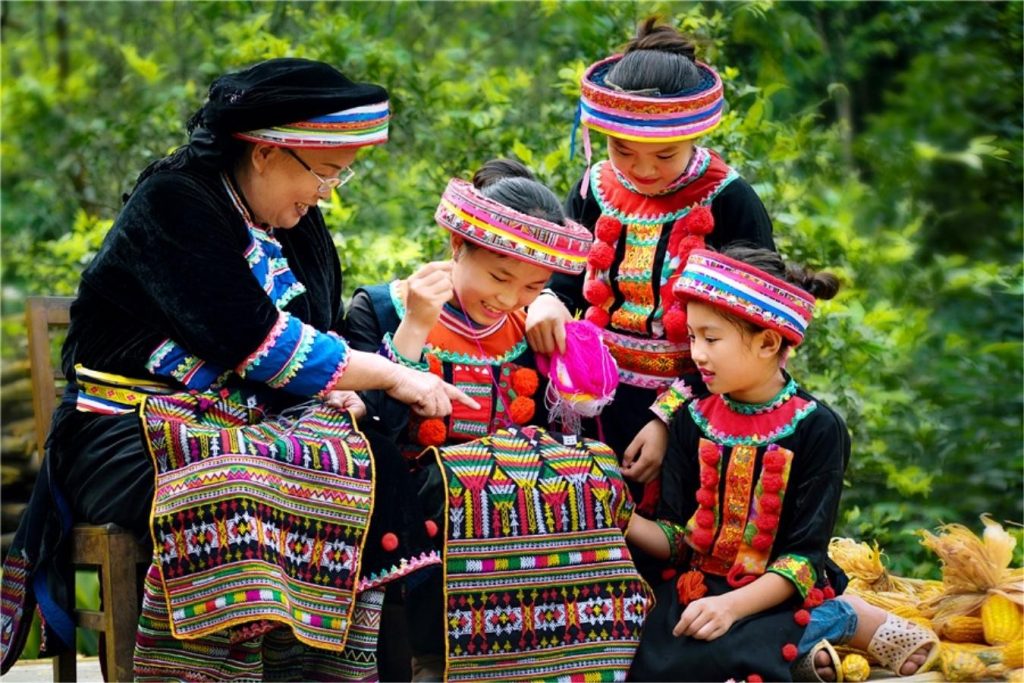
The growing popularity of ancestral wisdom in healing practices also reflects a broad shift in how people are defining wellness. For much of modernity, health has been often understood primarily through the absence of disease but recently, people have been giving it a wider definition to include aspects of emotional, social, spiritual, and environmental dimensions. This shift may explain why many people are drawn to practices that prioritize connection rather than symptom treatment. Ancestral tradition emphasizes community, ritual and relationships and addresses the deeper human need for meaning and belonging. This holistic can offer a solution to the growing sense of disconnection.
Technology has transformed how people communicate, work, and interact with the world. While these advancements offer countless benefits, they have also contributed to increasing rates of stress, and social isolation. In response, many individuals are seeking practices that help them reconnect with family traditions, cultural heritage, and the natural world. For some, this journey begins with a desire to learn more about their ancestry. Family stories, traditional recipes, herbal remedies, and cultural rituals often provide a sense of continuity that connects people to previous generations. These traditions serve as reminders that wellness was once viewed not as an individual pursuit but as a communal responsibility. Healing frequently occurred within families and communities rather than through commercial products or services.

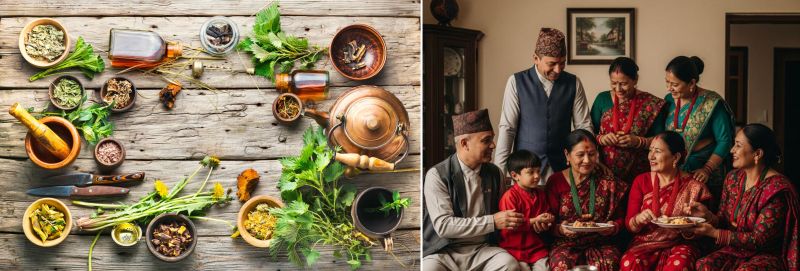
One practice that has attracted growing scientific attention is Shinrin-yoku, often translated as “forest bathing.” Originating in Japan, the practice encourages people to spend intentional time in nature, engaging with their surroundings through sight, sound, touch, and smell. Unlike hiking or exercise-focused outdoor recreation, forest bathing emphasizes slowing down and developing a mindful connection with the natural environment. Researchers studying the practice have found associations between time spent in nature and reduced stress, improved mood, and greater psychological well-being. While forests may not provide a cure for modern life’s challenges, the popularity of forest bathing reflects a broader desire to reconnect with rhythms and environments that many people feel have been lost in an increasingly urbanized and technology-driven world. In many ways, it embodies the central appeal of ancestral wisdom: the belief that wellness can be cultivated through a deeper relationship with the world around us.
At the heart of many ancestral healing traditions is a simple but powerful idea: maintaining health before illness develops. Rather than waiting for symptoms to appear, many traditional practices encourage daily habits that support physical, emotional, and social well-being. Whether through movement, time in nature, communal gatherings, traditional diets, or spiritual rituals, these approaches often view wellness as an ongoing process rather than a response to disease. For people struggling with stress, burnout, and the demands of modern life, this preventative mindset may be part of what makes ancestral wisdom so appealing.

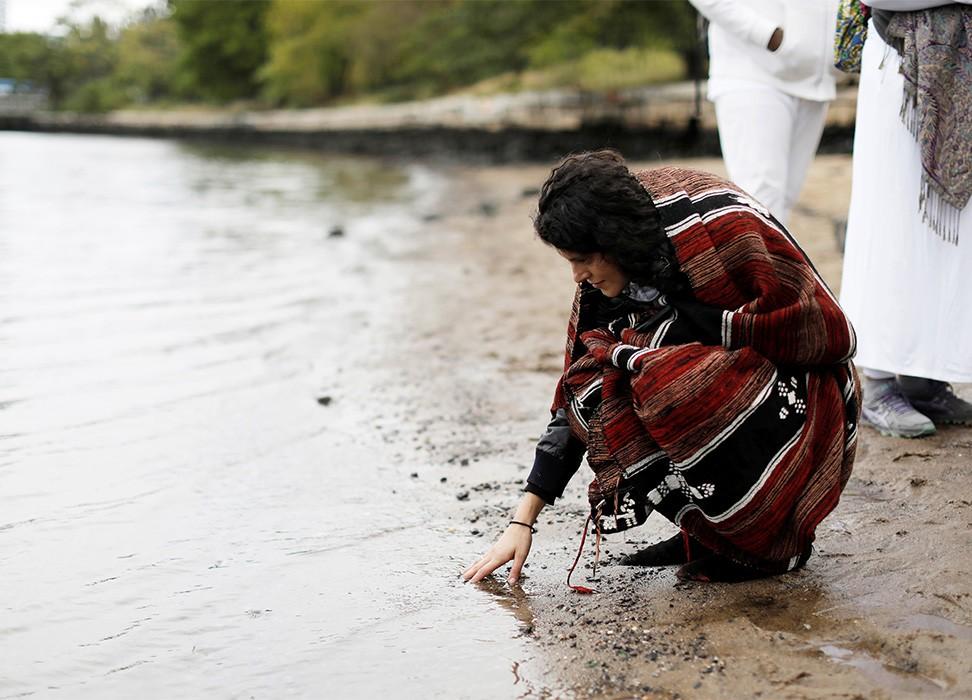
Ancestral wisdom cannot be thought of as a replacement to modern medicine. Vaccinations, antibiotics, surgical procedures, and countless other medical advancements have dramatically improved human health and life expectancy. Instead, many experts argue that traditional and modern approaches can coexist, each offering valuable perspectives on well-being.
As people continue searching for ways to navigate the challenges of contemporary life, ancestral wisdom offers an alternative perspective rooted in generations of experience. Whether through time spent in nature, participation in cultural rituals, traditional herbal practices, or community gatherings, these traditions remind people that healing has never been solely about treating symptoms. It has also been about connection—to family, culture, community, and the world around us. Perhaps this is why ancestral wisdom continues to resonate today. In an era characterized by constant change, these traditions provide something increasingly rare: a sense of continuity. They remind people that while technology and society may evolve, the fundamental human need for connection remains unchanged. By looking at the past, many are finding new ways to heal in the present.


