
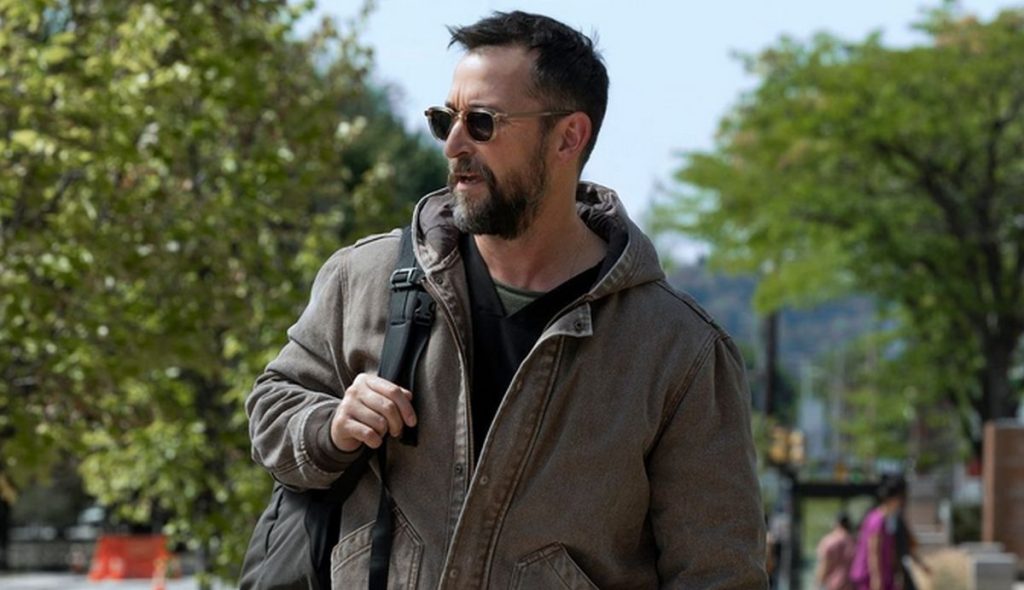
The hit medical drama, The Pitt, has graced us with its much anticipated second season. As we all desperately wait for the next episode in this July the 4th weekend from hell, it’s safe to say that the audience The Pitt has cultivated remain more than pleased with the continuing tribulations of their favorite doctors.
Season two arrives only a year after the first season. While this may seem like a monumentally quick turnaround in the streaming era, this was the norm for cable TV. In fact, much of The Pitt seems to be in the style of classic network television, providing older viewers with the type of serialized storytelling they grew up loving and giving younger viewers a concentrated shot of the highs of medical dramas from years past.
However, The Pitt remains on the cutting edge, not just medicinally but culturally. By openly discussing and accurately depicting the real problems faced by America’s healthcare workers, The Pitt is a vital show for this day and age. According to sources, the show was greatly appreciated by medical practitioners for their fidelity and empathy towards healthcare. Showing how race, citizenship, disabilities, weight, and gender impact both patients and doctors, the show feels truly lived in, relevant, and bold. The follow-up continues this trajectory, bringing issues of AI and mental health to the fore.
Executive producer and main cast member, Noah Wyle plays Micheal “Robby” Robinavitch, a man dedicated to his job of healing, but unable to heal himself. Noah Wyle himself is deeply familiar with the ins and outs of the heyday of medical television dramas, having played John Carter on ER, the most watched television show for three years when it was running. Indeed, The Pitt was initially intended as an ER spinoff, with Wyle playing the older version of his youthful, bumbling ER character, grown into his own and worn down by his long career in an often-depressing field. However, The Pitt stands on its own, allowing it to be a great starting point without any prior knowledge needed. While the first season came as a much-needed shock to the tired, binging-fueled streaming culture, its sequel only builds on its promise.
Following the deeply intriguing premise of each episode following an hour in a single shift at the emergency room, the show is able to build suspense, tension, and gutting character moments in a way that truly captures the insanity of a hospital. The end of the first season saw Robby reach his lowest point and still decide to pull himself back up with the help of his friends. Rather than taking the easy way out and claiming that all his recovery happened during the time between seasons, the show-runners take pains to show that Robby still maintains much of his avoidant and depressive behavior. He is cagey and detached, the events of the previous season still deeply affecting him in ways that he remains unwilling to acknowledge. While many shows try to address mental health problems these days, they simply claim that once you accept therapy all your problems will be solved. The Pitt, as it is wont to do, shows a more mature and realistic truth. Robby has tried therapy and claims it does not work for him, unable to gel with his therapists and refusing to take further action. It is hard to accept help, even when you know you need it, and recovery takes a circuitous and complex route.
Robby is not the only character whose emotional landscape has changed believably over the months, however. Dennis Whitaker (Gerran Howell), for one, seems to have changed for the better. The mousy, comedically pathetic student doctor of the first season has transformed into a confident mentor and doctor strong in his convictions. Robby certainly seems to trust and respect him, likely a result of Whitaker stepping in as moral support during Robby’s breakdown at the end of season one. The spectre of Robby’s last failed mentee, Frank Langdon (Patrick Ball), hangs over them like a warning, however. Another character who experienced his lowest moment in the first season, Langdon has an uphill battle to gain respect and recognition back at the place where he used to be the golden boy. He seems to have made healthy strides in recovery and improvement, though, seeking out and confronting uncomfortable conversations and establishing himself as someone who has grown. This stands in stark contrast to Robby, who refuses to engage with Langdon and the flaws he represents in Robby as a mentor.
New character Baran Al-Hashimi (Sepideh Moafi) introduces something like a nuclear bomb into this mess of personal dynamics. Her blunt, no-nonsense attitude certainly seems to run Robby the wrong way, and watching their childish passive-aggressive arguments is a lot of fun. Her positive views on AI and insistence on implementing new measurements at the hospital don’t endear her to the rest of the staff or the audience either. However, she promises hidden depth and an interesting backstory that we hopefully learn about sooner rather than later. Her clash with Trinity Santos (Isa Briones) in the latest episode shows the genuine stressful impact her presence is having, and one wonders if the bomb will go off at a crucial moment, resulting in a patient being put in harm or worse. Joy Kwon (Irene Choi) and James Ogilvie (Lucas Iverson) are the other new characters introduced this season. As amateur med students, they follow Whitaker around like ducklings and have yet to display personalities beyond a single note. They are certainly entertaining, however, and Ogilvie has a building tension with resident prodigy Victoria Javadi (Shabana Azeez) while Joy’s mysterious personality intrigues viewers.
As of the fifth episode, we are slowly ramping up to more tension and action with a nearby hospital’s patients getting routed to the Pitt. One hopes we see more from Samira Mohan (Supriya Ganesh), the doe-eyed empathetic resident with the brains to back up her heart, who has been rather unjustly shafted through the beginning of this season. Many additionally look forward to appearances from the night shift, Jack Abbott (Shawn Hatosy) and his crew of misfit toys stealing the show despite their limited screentime during the last season.
As patient and doctor story-lines similarly escalate and inevitably lead to the inflection point, we all wait with bated breath for the next episode. If you enjoy some good old-fashioned television with highly relevant commentary, The Pitt is for you. I would go as far to say that The Pitt is the kind of staple food, made with excellent skill and taste, that could never steer you wrong. Do yourself a favor and catch The Pitt every Thursday on HBO Max if you want some cathartic healing that’s cheaper than your average emergency room.


